Table of Contents
Ever found yourself hunched over the car seat, wrestling with a standard vacuum nozzle that just can’t seem to grab that stubborn popcorn kernel wedged deep in the crevice? You’re not alone. Car interiors present a unique cleaning challenge that home vacuums often fumble – tight seams, layered fabrics, delicate surfaces, and debris that seems magnetically attracted to the darkest corners. Unlike your living room rug, your vehicle’s upholstery endures a daily onslaught of crumbs, sand, pet hair, spilled drinks, and tracked-in dirt, all compacted into surprisingly small spaces. Using the wrong tool isn’t just inefficient; it can scratch surfaces, push dirt deeper, or leave frustrating residues behind, turning a simple tidy-up into a frustrating battle against the machine itself.
The truth is, effectively revitalizing your car’s interior demands more than just suction power. It requires specialized attachments designed specifically for the contours, materials, and hidden traps within automotive cabins. Generic crevice tools or upholstery brushes often lack the precision, gentleness, or adaptability needed for seats, dashboards, door panels, and floor mats. Investing time in understanding the right features for car-specific vacuum upholstery tools transforms cleaning from a chore into a satisfying, thorough process. This guide cuts through the marketing hype to focus on the practical elements that genuinely make a difference when tackling the unique environment inside your vehicle, ensuring you get results without the guesswork or potential damage.
Top 10 Vacuum Upholstery Tools for Car Interiors
Detailed Product Reviews
1. YSJWAER Carpet Vac Extractor Attachment-Tool - Cleaning Vacuum Clear Upholstery Car Detailing Turn Shop Vac into an Extractor
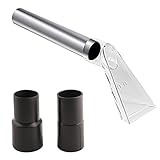
Overview: This attachment transforms standard wet/dry vacuums or shop vacs into functional carpet and upholstery extractors, targeting car interiors and home furnishings with a focus on visual cleaning feedback.
What Makes It Stand Out: The transparent 3.5-inch head allows real-time dirt monitoring, while dual rubber adapters (1.58" and 1.89") ensure compatibility with most spiral hoses. Stainless steel tubing (1.5" OD) adds durability and broad system compatibility, making it a versatile, reusable solution.
Value for Money: At a budget-friendly price, it avoids the need for a dedicated extractor. Though lacking built-in solution tanks, its reuse potential and universal fit offer significant savings over specialized tools, especially for occasional users.
Strengths and Weaknesses: Strengths: Clear head for visibility; easy shop-vac integration; robust stainless steel construction; includes essential adapters. Weaknesses: Requires separate cleaning solution application; no built-in brush or agitation; limited width for large areas; may struggle with deep stains without pre-treatment.
Bottom Line: An affordable, practical upgrade for existing vacuums, ideal for light car and upholstery cleaning. Best for DIYers seeking basic extraction without major investment, though not suited for heavy-duty restoration.
2. GOCCIDA 2IN1 Car Interior Detailing Air Blow Gun & vacunm Gun with Adjustable Air Flow Nozzle,Cleaning Gun Quickly Blasts Dirt and Dust from Surface Works with Air Compressor(Upgrade Rotate Tube) Blue

Overview: This dual-action pneumatic tool combines high-pressure air blasting with vacuum suction to tackle embedded debris in car interiors, requiring an air compressor and vacuum for operation.
What Makes It Stand Out: Its simultaneous blow-and-suck action efficiently dislodges and removes grime from crevices, while the 45° beveled brush and rotating hot-wheel tip ensure deep cleaning. The adjustable airflow valve and ergonomic grip enhance control during intensive tasks like cup holder or seat belt cleaning.
Value for Money: Priced moderately, it outperforms single-function tools (e.g., brushes or basic vacuums) by reducing chemical use and drying time. The durable aluminum construction justifies cost for frequent detailers, though compressor dependency adds initial expense.
Strengths and Weaknesses: Strengths: Efficient dual-action cleaning; versatile for interior/exterior surfaces; reduces moisture retention; ergonomic and durable design. Weaknesses: Requires two machines (compressor + vacuum); complex setup with multiple attachments; potential overkill for light cleaning; not ideal for large carpet areas.
Bottom Line: A powerful, time-saving investment for serious car enthusiasts or detailers. Highly recommended if you own compatible equipment, but less practical for casual users seeking simplicity.
3. Armor All SCC301 0901 Upholstery & Carpet Cleaner, Car and Auto Detailer with Tools for Pets, Area Rugs and Couches

Overview: A compact, self-contained carpet/upholstery cleaner designed for quick auto and home spot cleaning, featuring dual tanks and included accessories for pet messes and rugs.
What Makes It Stand Out: The dual-tank system (0.4-gal clean/0.25-gal dirty) prevents cross-contamination, while the 64-inch water lift suction and 21-foot reach (hose + cord) enable thorough, mobile cleaning. The included Tough Stain Tool and solution target embedded dirt effectively.
Value for Money: Positioned as mid-range, it excels for small-scale jobs but lacks the power of professional extractors. The included tools and solution add value for pet owners, though tank sizes limit use on large areas, making it best for targeted cleanup.
Strengths and Weaknesses: Strengths: No cross-contamination tanks; strong suction for size; excellent portability; pet-focused accessories; easy emptying. Weaknesses: Small tank capacity requires frequent refills; limited to spot cleaning; hose/tool storage is basic; not suitable for deep-cleaning entire carpets.
Bottom Line: A convenient, efficient solution for pet owners and quick car/home touch-ups. Ideal for small messes but not a replacement for full-sized extractors—recommended for households prioritizing mobility over heavy-duty power.
4. Cen-Tec Systems 63146 Commercial Upholstery Car Cleaning Vacuum Claw Tool, 5", Orange
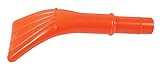
Overview: A simple, rugged 5-inch vacuum attachment claw designed for wet/dry pickup of debris from car seats, mats, and tight spaces using standard shop vacs.
What Makes It Stand Out: Its commercial-grade durability and compact 5-inch width allow precise access to seat crevices, door jams, and floor mats. The open claw design handles both fine dust and larger debris without clogging, functioning as a direct vacuum extension.
Value for Money: Extremely affordable, it’s a no-frills upgrade for existing vacuums. While lacking advanced features, its robust build justifies the low cost for garage-based detailers needing reliable, heavy-use functionality without complexity.
Strengths and Weaknesses: Strengths: Durable construction; excels in tight spaces; handles wet/dry messes; effortless installation; cost-effective. Weaknesses: No brushes or agitation for stuck-on dirt; provides no visual feedback; limited to vacuum suction only; basic design lacks versatility for stains or upholstery.
Bottom Line: A utilitarian, budget-friendly tool for debris removal in confined car areas. Highly recommended as a supplementary claw for shop vac owners, but ineffective for deep cleaning or stain removal.
5. Analan Mini Pet Hair Remover for Car Detailing Supplies, Carpet Dog Hair Remover for Car Interior, Triangle Dog Hair Remover for Auto Detailing, Couch, Furniture, Lint, Carpet (Jet Black)

Overview: A handheld triangular tool engineered for rapid, chemical-free removal of embedded pet hair from car seats, furniture, and carpets using manual scraping motion.
What Makes It Stand Out: The angled triangle design accesses corners and textures effortlessly, while premium materials enable 10X faster hair collection versus lint rollers. Its reusable, eco-friendly build (cleaned with water) and compact size make it ideal for quick cleanups on-the-go.
Value for Money: Priced accessibly, it eliminates recurring costs of disposable rollers. Durability and multi-surface use (cars, couches, clothing) deliver long-term savings, though effectiveness varies on ultra-short pet hair.
Strengths and Weaknesses: Strengths: Exceptional pet hair grip; reusable and eco-friendly; lightweight and portable; works on all fabrics; easy water cleaning. Weaknesses: Ineffective on non-hair debris (dirt, liquids); requires physical effort; less efficient on smooth surfaces; no storage case included.
Bottom Line: A must-have for pet owners battling fur in cars and homes. Highly recommended for its speed and sustainability, but pair with a vacuum for comprehensive cleaning of mixed debris.
6. GOCCIDA 2IN1 Car Interior Detailing Air Blow Gun & vacunm Gun with Adjustable Air Flow Nozzle,Cleaning Gun Quickly Blasts Dirt and Dust from Surface Works with Air Compressor(Upgrade Rotate Tube)

Overview: The GOCCIDA 2IN1 Cleaning Gun is a pneumatic tool designed for deep car interior cleaning, combining high-pressure air blowing and vacuum suction functions. It requires connection to both an air compressor and a vacuum cleaner to operate, targeting stubborn dirt in carpets, upholstery, and crevices. What Makes It Stand Out: Its dual-action blow-and-suction mechanism is the core innovation, simultaneously dislodging debris with adjustable airflow and extracting it via vacuum—eliminating the need for separate tools. The ergonomic 45º beveled brush, durable hot-wheel nozzle, and valve-controlled liquid flow enhance precision for corners and quick drying. Value for Money: Priced mid-range, it offers significant efficiency gains over basic detailing brushes or standalone vacuums by streamlining deep-cleaning workflows. While requiring existing compressor/vacuum investments, it reduces chemical usage and labor time, justifying cost for frequent detailers versus single-function alternatives. Strengths and Weaknesses: Strengths: Exceptional for embedded dirt removal; versatile for interiors/exterior; durable aluminum construction; comfortable grip. Weaknesses: Mandatory dual-device setup complicates usability for casual users; liquid valve control may leak if misadjusted; initial assembly requires careful alignment. Bottom Line: Ideal for enthusiasts or professionals with compatible equipment, this gun excels in thoroughness and speed. Casual users may find it overkill, but it’s a worthy investment for serious interior detailing efficiency.
7. AOMUCH Mattress/Couch Attachment, Car Seat Tips Nozzle Upholstery Tool for Diameter 32/35mm Vacuum Attachment

Overview: This specialized vacuum attachment targets tight spaces in mattresses, couches, and car seats. Designed for standard 32/35mm vacuum hoses, it features a flat, wide nozzle and crevice tool to extract dust from seams, gaps, and upholstery folds. What Makes It Stand Out: Its ultra-slim profile reaches deep into mattress-couch junctions and car seat tracks where standard nozzles fail. The included adapter ensures seamless hose compatibility, while the angled crevice tip tackles corners without scratching surfaces—addressing a common pain point in deep cleaning. Value for Money: At a low price point, it solves niche cleaning challenges affordably. It’s vastly cheaper than replacing a vacuum and outperforms generic nozzles for specific tasks, though limited utility outside targeted scenarios means occasional users might rarely need it. Strengths and Weaknesses: Strengths: Unbeatable reach for hidden debris; simple plug-and-play setup; durable plastic resists cracking; adapter adds flexibility. Weaknesses: Useless for non-standard hose sizes (measure carefully!); narrow application scope; no brush roll for embedded hair/pet dander. Bottom Line: A highly effective, budget-friendly solution for deep-cleaning upholstery seams and car seats—if your vacuum matches the 32/35mm spec. Essential for allergy sufferers but redundant for general surface cleaning.
8. BISSELL Little Green Mini Portable Carpet and Upholstery Deep Cleaner, Car/Auto Detailer, with HydroRinse Self-Cleaning Tool and 4" Tough Stain Tool, Tea Green, 4075

Overview: A compact, self-contained extraction cleaner for spot-treating stains on carpets, upholstery, and car interiors. It sprays cleaning solution, scrubs with a brush tool, and suctions dirty water into a separate tank, eliminating the need for external vacuums. What Makes It Stand Out: Its portability and all-in-one design stand out, especially the HydroRinse tool that auto-cleans brushes—reducing maintenance. The included pet-focused mission (funds support animal rescue) and allergen-removal capability add ethical and health appeal beyond basic stain fighting. Value for Money: Priced moderately, it delivers professional-grade extraction in a storage-friendly unit. While cheaper than full-sized cleaners, it includes specialized tools and formula, making it cost-effective for targeted messes versus renting equipment or buying multiple sprays. Strengths and Weaknesses: Strengths: Lightweight and easy storage; effective on pet stains/dander; self-cleaning hose prevents clogs; versatile for cars/homes. Weaknesses: Small tank size requires frequent refills; weaker suction than shop vacs; limited to spot cleaning, not whole interiors. Bottom Line: Perfect for pet owners and quick car-seat cleanups, this portable unit earns its price with convenience and performance. Not for large jobs, but indispensable for daily spill management and allergen control.
9. Universal Clear Vacuum Extraction Accessory with 1-1/4“,1-7/8” and 2-1/2” Adapter,Compatible with All Shop Vac Extractor,Wet Dry Vacuum Cleaner Attachments for Upholstery,Carpet Cleaning,Car Detailing

Overview: A universal extraction kit transforming standard wet/dry vacuums into upholstery/carpet cleaners. It includes three adapters, two transparent nozzles, and a stainless hose, enabling direct liquid extraction from fabrics without proprietary machines. What Makes It Stand Out: The transparent nozzle lets users monitor cleaning progress in real-time—a rare feature. Its universal fit (via threadless adapters) works with nearly any vacuum, avoiding costly dedicated extractors. The multi-size adapters and dual nozzles cover everything from car seats to living room carpets. Value for Money: Extremely economical for adding extraction capability to existing Shop Vacs. It bypasses the high cost of professional carpet cleaners while offering comparable performance for DIYers, making deep cleaning accessible without new hardware investments. Strengths and Weaknesses: Strengths: Real-time dirt visibility; effortless adapter swaps; durable transparent materials; ideal for stairs/cars; no tool damage during install. Weaknesses: Hose may kink if bent sharply; suction slightly weaker than built-in extractors; small nozzle clogs with heavy debris. Bottom Line: A smart, budget-friendly upgrade for Shop Vac owners tackling upholstery or car detailing. Its versatility and visibility justify the price, though heavy-duty users may need supplemental brushes for embedded grime.
10. Chemical Guys Foaming Citrus Fabric Clean Carpet & Upholstery Cleaner - Car Carpet Cleaner Spray for Seats and Floor Mats, Removes Stains &Odors, Safe for Cars, Home and Office, 16 oz Citrus Scent

Overview: A ready-to-use foaming spray for cleaning automotive and home fabrics. It lifts stains from carpets, seats, and mats using citrus-scented, non-toxic formula, requiring only spraying, light agitation, and wiping/vacuuming. What Makes It Stand Out: The thick foam clings to vertical surfaces (like car doors) without dripping, penetrating fibers to release dirt effortlessly. Its pleasant citrus scent and multi-surface safety (safe for vinyl, cloth, leather) differentiate it from harsh chemical alternatives, appealing to eco-conscious users. Value for Money: Competitively priced for a premium concentrate, a single bottle handles numerous cleanings. While not a deep extractor, it outperforms wipes and basic sprays in stain removal with minimal effort, offering excellent ROI for routine maintenance versus pricier systems. Strengths and Weaknesses: Strengths: Zero dilution needed; safe on delicate fabrics; citrus odor neutralizes mustiness; effortless application; versatile for cars/offices. Weaknesses: Limited on set-in stains; requires manual scrubbing for heavy grime; foam dissipates quickly on hot surfaces. Bottom Line: A top-tier choice for quick, effective fabric refreshes and odor control. Ideal for regular upkeep but pair with extraction tools for severe soiling—worth every penny for hassle-free surface cleaning.
Understanding the Unique Challenges of Car Interior Cleaning
The Anatomy of Automotive Upholstery Surfaces
Car interiors combine a complex mix of materials within a single cabin – smooth leather or vinyl seats, textured cloth headliners, rigid plastic dashboards, soft-touch armrests, and rubberized floor mats. Each surface reacts differently to cleaning tools; abrasive brushes can mar leather, stiff crevice tools can scratch plastic trim, and excessive moisture (even from a damp cloth used after vacuuming) can damage electronic components or cause mold. Understanding this material diversity is crucial for selecting tools that are universally adaptable yet gentle enough for sensitive finishes.
Conquering Tight Spaces and Hidden Debris Traps
Unlike open floor spaces, car interiors are riddled with intricate nooks: seat track grooves, climate control vents, cup holder crevices, seatbelt buckles, and the narrow gaps between seats and center consoles. Standard vacuum hoses and nozzles simply can’t navigate these areas effectively. Debris accumulates here relentlessly, often becoming compacted and invisible until it starts to smell or causes mechanical issues. Effective tools must provide exceptional maneuverability and access to these confined zones without requiring disassembly.
Dealing with Embedded and Varied Debris Types
Car cabins collect an astonishing variety of debris: fine sand that acts like sandpaper, sticky food residues, pet hair that tangles relentlessly, crumbs that embed deeply into fabric, and even small coins or toys. This isn’t just surface-level dirt; it’s often packed tightly into fibers or wedged under trim. Tools need the ability to agitate and lift deeply embedded particles without damaging the underlying material, handling everything from gritty to gummy messes effectively.
Essential Features to Prioritize in Vacuum Upholstery Tools
Optimal Size and Shape for Automotive Contours
The ideal car vacuum tool isn’t one-size-fits-all; it’s designed to mimic the curves and angles of your vehicle. Look for contoured shapes that follow seatbacks, tapered ends for dashboard vents, and compact profiles that slide effortlessly between seats and consoles. Oversized attachments designed for sofas are counterproductive in the confined space of a car, while tools too small lack the surface area needed for efficient cleaning of larger fabric sections.
Material Composition: Balancing Durability and Gentleness
The materials used in the tool itself are critical. Rigid plastic might scratch surfaces, while overly flexible rubber can collapse under suction. High-quality nylon bristles (often with tapered ends) are generally ideal for fabric seats, providing agitation without snagging. For leather, vinyl, and plastic surfaces, tools with smooth, non-marring edges made from soft-touch plastics or silicone are essential to prevent swirl marks or scuffs during use.
Integrated Brush Design and Bristle Characteristics
Not all upholstery brushes are created equal. For car interiors, finer, densely packed bristles are often preferable to coarse ones, as they can penetrate fabric weaves more effectively to loosen dirt without being harsh. Some advanced designs incorporate specialized bristle patterns – like alternating stiff and soft zones – or even rotating brush heads that mimic professional detailing tools, significantly improving debris pickup on both fabric and delicate surfaces.
Crevice Tool Precision and Maneuverability
A dedicated crevice tool is non-negotiable for car cleaning, but its design matters immensely. It needs a long, slender profile (typically 6-10 inches) to reach deep into seams and tracks, yet remain rigid enough not to bend under pressure. A slightly curved tip can be invaluable for navigating around seatbolts or door handles. Avoid tools with overly wide openings at the tip, as this drastically reduces suction concentration where it’s needed most in tight spots.
Compatibility with Your Vacuum System
This is often overlooked but vital. Ensure the tool has the correct diameter and locking mechanism (friction-fit, bayonet, or twist-lock) to securely attach to your specific vacuum hose or wand. A wobbly or loose connection saps suction power significantly. Universal tools often come with multiple adapter rings, but verifying compatibility prevents frustration and ensures you’re getting the full cleaning power your vacuum can deliver.
Advanced Functionalities for Superior Results
Suction Control Integration
Some premium tools feature built-in suction regulators directly on the attachment. This allows you to instantly reduce suction when working on delicate surfaces like headliners (to prevent fabric distortion or tearing) or increase it for heavy debris on floor mats, without needing to walk back to the vacuum unit. This real-time adjustment is a game-changer for efficiency and surface safety.
Illumination for Spotting Hidden Dirt
Built-in LED lights on crevice tools or detail brushes are increasingly common and incredibly useful. They illuminate dark corners under seats, within deep seat folds, and inside vents, revealing dirt and debris that would otherwise be missed. This feature transforms the cleaning process from guesswork into a targeted, thorough operation, ensuring nothing is left behind.
Anti-Static Properties
Synthetic fabrics and plastics in cars are prone to static buildup, which actually attracts and holds dust and hair, making cleaning harder. Tools incorporating anti-static materials or coatings help dissipate this charge, preventing debris from clinging stubbornly to surfaces or the tool itself, resulting in noticeably cleaner finishes and less re-deposition of dirt.
Detachable and Washable Components
Upholstery brushes, especially those used on fabric seats or floor mats, will inevitably get dirty and clogged with hair and fibers. Tools with easily detachable brush heads or washable bristle sections are far more practical for long-term use. Being able to rinse out trapped debris ensures consistent performance and hygiene, preventing the tool from becoming a source of odor or cross-contamination.
Mastering Technique with Your Upholstery Tools
Proper Angling for Maximum Debris Lift
How you hold the tool significantly impacts effectiveness. For fabric seats, holding a brush attachment at a slight angle (around 30 degrees) and using short, overlapping strokes allows the bristles to agitate the fibers and lift dirt towards the suction path. Pushing straight down often just compresses the fabric, trapping dirt deeper. Experiment with angles on different surfaces to find what lifts debris best without causing damage.
The Crevice Cleaning Methodology
Don’t just shove the crevice tool in and hope for the best. Start by running it along the seam or groove with firm, steady pressure, not jabbing. For deeply embedded debris, a gentle back-and-forth “sawing” motion while maintaining suction can help dislodge particles. Always follow up with the upholstery brush over the adjacent area to capture any debris loosened by the crevice work but not fully extracted.
Layered Approach for Deep Cleaning
Effective car interior cleaning rarely happens in a single pass. Begin with the crevice tool to target seams and tracks. Follow with the upholstery brush to agitate and lift surface and subsurface dirt from larger fabric or leather areas. Finally, use a soft dusting brush (if available) for delicate surfaces like vents and screens. This sequential method ensures comprehensive cleaning from deep within to the surface.
Handling Delicate Surfaces Safely
When working near electronic displays, climate control buttons, or intricate trim, reduce suction if possible and use the softest brush or a dedicated dusting tool. Hold the tool slightly above the surface rather than pressing directly onto it. For stubborn dust on screens, a microfiber cloth attached to a low-suction dusting nozzle is safer than direct brushing. Always prioritize surface protection over aggressive cleaning.
Maintenance and Longevity of Your Tools
Cleaning Tools After Each Use
Residual dirt, hair, and moisture left on tools can degrade materials, cause odors, and reduce effectiveness. After every cleaning session, remove visible debris (use scissors or a pick for tangled hair in brushes), and if components are washable, rinse them thoroughly with water. Allow all parts to air dry completely before storage to prevent mold or mildew growth inside crevices of the tools themselves.
Checking for Wear and Damage
Regularly inspect your attachments for signs of wear: cracked plastic, loose bristles, bent crevice tips, or damaged seals on locking mechanisms. A bent crevice tool loses its precision, while loose bristles can snag fabrics. Addressing minor issues early (like securing a loose brush head) prevents bigger problems and ensures consistent performance. Don’t wait for a tool to break mid-clean.
Proper Storage Solutions
Tossing tools loosely into a trunk or glove compartment leads to damage and disorganization. Use a dedicated bag, caddy, or even a simple Velcro strap to keep attachments organized and protected. Store them clean and dry, away from extreme temperatures (like a hot trunk), which can warp plastic and degrade rubber seals over time. Easy access encourages regular use and proper maintenance.
Frequently Asked Questions
Frequently Asked Questions
What makes a vacuum tool specifically good for car interiors versus home use? Car-specific tools are designed for smaller scale, tighter spaces, and diverse materials found only in vehicles. They prioritize precision, non-marring surfaces, and the ability to navigate complex contours like seat tracks and dash vents, which standard home attachments lack.
Can I use my regular home vacuum’s upholstery brush on car seats? While possible for light cleaning on fabric, standard home brushes are often too large, stiff, or lack the precision needed for automotive contours. They can miss tight seams and may scratch delicate car plastics or leathers, making dedicated car tools far more effective and safer.
How important is suction power compared to the tool design? Both matter, but an excellent tool design can maximize even moderate suction for car interiors. A poorly designed tool, even on a powerful vacuum, will fail in tight spaces. Focus on tools that concentrate and direct the suction effectively where it’s needed most in your vehicle.
Are rotating brush tools worth the extra cost for car cleaning? For fabric seats with embedded dirt or pet hair, rotating brush heads can significantly improve debris pickup by mechanically agitating fibers beyond what static bristles achieve. They are often a worthwhile investment for deep cleaning, though ensure they have variable speed to avoid damaging delicate surfaces.
What’s the best way to clean car door panel pockets and map pockets? Use a narrow crevice tool (6-8 inches long) held at a shallow angle. Gently work it along the pocket seams and bottom, using a slight back-and-forth motion. Follow immediately with a small upholstery brush to lift any loosened debris from the fabric lining before it resettles.
How do I prevent my vacuum tool from scratching leather seats? Always use tools specifically designed for leather/vinyl with soft, non-marring edges. Ensure the tool is clean (grit causes scratches), maintain moderate suction (high suction can pull delicate leather), and move the tool smoothly without pressing down hard. Test on an inconspicuous area first if unsure.
Why does my crevice tool keep losing suction when cleaning seat tracks? This usually indicates a poor seal between the tool and your vacuum hose/wand, or the crevice opening is too wide for the debris size. Ensure it’s locked on securely. Consider a narrower-tip crevice tool; wider tips dilute suction in tight spaces, reducing effectiveness for fine debris.
How often should I clean or replace my vacuum upholstery tools? Clean brush heads and crevice tools after every use to remove hair and debris. Inspect for wear monthly. Replace tools immediately if bristles are broken, plastic is cracked, or the locking mechanism is damaged – compromised tools clean poorly and risk damaging your car.
Can I use attachments from different vacuum brands on my car vacuum? It’s possible with universal adapters, but suction loss is common due to imperfect seals. For optimal performance in tight car spaces, use tools specifically designed for your vacuum model to ensure maximum airflow and secure attachment, minimizing power loss.
What’s the single most versatile tool for general car interior cleaning? A compact, multi-surface upholstery brush with fine, non-marring bristles is typically the most versatile. It effectively cleans fabric seats, door panels, and floor mats while being gentle enough for most plastics and vinyl when used with proper technique and suction control.
See Also
- 10 Best Vacuum Cleaner Bags for High-Traffic Areas in 2026
- 10 Best Upright Vacuums for Allergies That Capture Dust Mites in 2026
- The 10 Best Foam Vacuum Filters for High-Dust Homes in 2026
- 2026’s Top 10 Vacuum Extension Wands for Hard-to-Reach Areas
- We Tested 50 Vacuum Cleaner Bags - Here are the 10 Best for Allergies