Table of Contents
Creating a truly sustainable home means scrutinizing every product that crosses your threshold, and floor cleaners are no exception. With growing awareness about indoor air quality, chemical runoff, and plastic waste, more households are seeking cleaning solutions that align with their environmental values. The market has responded with an overwhelming array of options claiming to be “green,” “natural,” or “eco-friendly,” but not all claims hold up under scrutiny. Understanding what makes a floor cleaner genuinely sustainable requires looking beyond marketing buzzwords to ingredients, packaging, manufacturing processes, and end-of-life impact.
The journey toward finding the perfect eco-friendly floor cleaner for your sustainable home involves balancing effectiveness with environmental responsibility. Whether you’re dealing with hardwood, tile, laminate, or stone, the ideal solution should clean powerfully without compromising your family’s health or the planet’s wellbeing. This comprehensive guide walks you through everything you need to know to make informed decisions, from deciphering certifications to evaluating performance, ensuring your floors sparkle while your conscience stays clear.
Top 10 Eco-Friendly Floor Cleaners
Detailed Product Reviews
1. ATTITUDE Floor Cleaner, EWG Verified, Streak-Free, Vegan & Plant-Based for Tile, Wood & Laminate Floors, Citrus Zest Scent, 35.2 Fl Oz

Overview: ATTITUDE’s floor cleaner delivers eco-conscious cleaning power in a compact 35.2-ounce bottle. This plant-based formula tackles dirt and grime across multiple hard surfaces while maintaining strict environmental and health standards. Designed for modern households prioritizing safety and sustainability.
What Makes It Stand Out: The EWG verification sets this apart, guaranteeing it’s free from phthalates, ammonia, bleach, and colorants. With 94% naturally derived ingredients, it offers transparency rare in cleaning products. Its versatility spans tile, ceramic, marble, laminate, and treated wood floors. The recyclable HDPE #2 bottle pairs with cardboard eco-refills, creating a complete reduce-and-reuse system. The citrus zest scent provides a fresh, clean aroma without synthetic fragrances.
Value for Money: At standard retail pricing, this concentrate delivers reasonable value, requiring dilution for each use. While not the cheapest option, the certification and ingredient quality justify the premium. Compared to conventional cleaners, you’re paying for verified safety rather than harsh chemical efficiency.
Strengths and Weaknesses: Strengths include impeccable eco-credentials, streak-free results, genuine multi-surface compatibility, and pleasant scent. The vegan, cruelty-free formulation appeals to ethically minded consumers. Weaknesses involve mandatory dilution steps that some may find inconvenient, and the citrus scent might not suit everyone’s preference. Performance on heavy grease may require multiple applications compared to industrial-strength alternatives.
Bottom Line: Ideal for health-conscious families and pet owners willing to invest in verified safe cleaning. The EWG certification provides peace of mind that generic “natural” cleaners can’t match.
2. Aunt Fannie’s Ultra Concentrated Floor Cleaner Vinegar Wash, Multi-Surface Solution For Mopping, Makes 16 Gallons, Eucalyptus Scent, 32 oz. (Pack of 1)

Overview: Aunt Fannie’s harnesses vinegar’s natural cleaning power in an ultra-concentrated formula that yields 16 gallons of solution from a single 32-ounce bottle. This eucalyptus-scented wash offers a chemical-free approach to floor cleaning for sealed hard surfaces.
What Makes It Stand Out: The concentration ratio is exceptional—one bottle lasts months for most households. EWG’s top A-rating confirms its safety credentials. The eucalyptus scent effectively masks vinegar’s pungent odor as it dissipates, solving the primary complaint about vinegar cleaners. It breaks down dirt, food grease, and grime without synthetic additives.
Value for Money: Outstanding value. Creating 16 gallons for under $15 makes this one of the most economical eco-cleaners available. Cost per gallon rivals conventional cleaners while offering superior safety. The ultra-concentrated format reduces shipping weight and storage space.
Strengths and Weaknesses: Strengths include unbeatable cost-efficiency, proven safety rating, versatility across sealed hardwood, tile, vinyl, and linoleum, and the smart scent strategy. The vinegar base cleans effectively without residue. Weaknesses: initial vinegar smell before dissipation may bother sensitive users, and it’s not suitable for unsealed or waxed floors. Requires careful measuring for proper dilution.
Bottom Line: Perfect for budget-minded eco-warriors and large families. Delivers maximum cleaning solution per dollar while maintaining rigorous safety standards. The best value in natural floor care.
3. Better Life Floor Cleaner - Liquid Multipurpose Cleaner for Wood, Tile, Laminate, Vinyl, Bamboo - Hardwood Floor Cleaner for Mopping - Citrus Mint, 32 Fl Oz (Pack of 2)

Overview: Better Life offers a ready-to-use floor cleaner in a convenient two-pack bundle. This 32-ounce duo provides a no-rinse, plant-based solution for various sealed floors, targeting everyday messes from pet drool to foot traffic.
What Makes It Stand Out: The no-rinse formula saves time and water—simply squirt and mop. It explicitly excludes petroleum solvents, chlorine, bleach, parabens, SLS, and SLES, making it exceptionally gentle on eyes, nose, and skin. The citrus mint scent offers a unique, invigorating fragrance. The two-pack ensures you won’t run out quickly.
Value for Money: Moderate value. While the twin-pack provides savings over individual purchases, it’s less concentrated than competitors, meaning more product per cleaning session. You’re paying for convenience and ingredient purity rather than maximum dilution capability.
Strengths and Weaknesses: Strengths include immediate usability without mixing, excellent safety profile for homes with children and pets, streak-free performance, and pleasant scent. The plant-derived formula cleans effectively on most sealed surfaces. Weaknesses: less economical than ultra-concentrates, and the citrus mint fragrance may be polarizing. The spray-and-mop method might not suit those preferring traditional bucket mopping.
Bottom Line: Best for busy households prioritizing convenience and safety over maximum economy. The no-rinse approach and two-pack format simplify cleaning routines for active families.
4. Uncle Todd’s Ultra Concentrated Floor Cleaner For Mopping: 30 Natural, 100% Dissolvable Sheets for Mopping – Hardwood & Wood Floor Cleaner with Filth-Fighting Enzymes, Plastic-Free Packaging

Overview: Uncle Todd’s revolutionizes floor cleaning with dissolvable sheets, delivering 30 gallons of cleaning power in paper-thin, pre-measured strips. This enzyme-based formula comes in completely plastic-free packaging, targeting eco-minimalists seeking zero-waste solutions for hardwood and other sealed floors.
What Makes It Stand Out: The sheet format eliminates liquid spills, measuring errors, and heavy bottles. Filth-fighting enzymes actively break down oil, grease, and mildew at a molecular level. The packaging—biodegradable paper and cardboard—sets a new standard for sustainability. Each sheet makes one gallon, perfect for precise dosing without waste.
Value for Money: Good value for the eco-conscious. While per-gallon cost is slightly higher than liquid concentrates, you’re paying for revolutionary packaging and enzyme technology. The space-saving format and pre-measured convenience add value for apartment dwellers and those minimizing household waste.
Strengths and Weaknesses: Strengths: unparalleled eco-packaging, enzyme-powered stain removal, lightweight storage, no plastic waste, and travel-friendly format. The phosphate-free, paraben-free formula is genuinely gentle. Weaknesses: sheets require dissolution time, may not suit those preferring traditional liquids, and enzyme performance varies with water temperature. Not as widely available as bottled options.
Bottom Line: Ideal for zero-waste enthusiasts and small-space residents. The innovative sheet format and plastic-free design make it worth the slight premium for those committed to reducing environmental impact.
5. ATTITUDE Floor Cleaner Refill, EWG Verified, Streak-Free, Vegan & Plant-Based for Tile, Wood & Laminate Floors, Citrus Zest Scent, 67.6 Fl Oz

Overview: This jumbo refill bottle doubles the volume of ATTITUDE’s standard floor cleaner, offering the same EWG-verified, plant-based formula in eco-friendly cardboard packaging. Designed for existing users of the brand, it reduces plastic waste while maintaining cleaning performance.
What Makes It Stand Out: The FSC-certified cardboard packaging represents a significant plastic reduction compared to traditional bottles. Containing twice the volume, it minimizes reorder frequency. The formula retains its 94% natural origin composition, EWG verification, and streak-free promise across multiple floor types including tile, ceramic, marble, laminate, and treated wood.
Value for Money: Excellent value for committed users. The refill costs significantly less per ounce than the original bottle, essentially rewarding sustainable practices. For households cleaning frequently, the 67.6-ounce size ensures months of supply. The cardboard packaging reduces environmental impact without compromising product integrity.
Strengths and Weaknesses: Strengths: substantial plastic waste reduction, superior cost-per-use, trusted EWG certification, convenient for high-volume users, and same effective formula. The vegan, cruelty-free credentials remain intact. Weaknesses: requires an empty ATTITUDE bottle for use, cardboard can be vulnerable to moisture if stored improperly, and the larger size demands more storage space. The citrus scent consistency may not suit all users.
Bottom Line: A must-buy for current ATTITUDE Floor Cleaner users. The refill delivers undeniable economic and environmental benefits, making it the smartest way to maintain your eco-friendly cleaning routine.
6. Aunt Fannie’s Ultra Concentrated Floor Cleaner Vinegar Wash, Multi-Surface Solution For Mopping, Value Size, Bright Lemon Scent, 64 oz
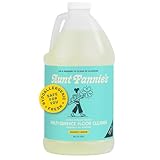
Overview: Aunt Fannie’s Ultra Concentrated Floor Cleaner Vinegar Wash offers a natural approach to floor care with its 64-ounce lemon-scented formula. This vinegar-based solution targets dirt, grease, and grime without harsh chemicals, making it suitable for households prioritizing safety. Designed for sealed hardwood, tile, vinyl, and linoleum, it dissolves buildup while the vinegar evaporates, leaving behind a fresh citrus aroma.
What Makes It Stand Out: The EWG A-rating sets this product apart, verifying its safety for people and pets. Its ultra-concentrated nature—just half a cup per two gallons of water—delivers exceptional value and reduces plastic waste compared to ready-to-use alternatives. The vinegar base effectively cuts through stubborn residue naturally, while the bright lemon scent masks the typical vinegar odor during cleaning. Aunt Fannie’s commitment to transparency and its full line of complementary natural cleaning solutions further distinguishes the brand.
Value for Money: At 64 ounces, this concentrate yields approximately 32 buckets of cleaning solution, dramatically undercutting per-use costs of pre-mixed cleaners. While the upfront price exceeds conventional chemical cleaners, the concentration ratio justifies the investment for eco-conscious consumers. You’re paying for premium, non-toxic ingredients rather than water and synthetic fragrances.
Strengths and Weaknesses: Strengths include top-tier safety certification, genuine cleaning power from vinegar, concentration efficiency, and pet-friendly formulation. Weaknesses involve the initial vinegar smell before dissipation, incompatibility with unsealed or waxed floors, and the minor inconvenience of manual dilution. Some users may find the lemon scent too subtle.
Bottom Line: For households seeking a scientifically-backed, natural floor cleaner that actually works, Aunt Fannie’s delivers. It’s ideal for sealed floors and families wanting to eliminate chemical exposure without sacrificing cleanliness. The mixing step is a small trade-off for significant safety and environmental benefits.
7. Method Squirt + Mop Hardwood Floor Cleaner, Almond, 25 Ounce, 1 pack, Packaging May Vary

Overview: Method’s Squirt + Mop Hardwood Floor Cleaner simplifies floor care with its ready-to-use 25-ounce bottle and almond fragrance. This one-step solution cleans and shines sealed hardwood and laminate without rinsing, eliminating the need for buckets. The ergonomic spray nozzle distributes product evenly, preventing puddling and reducing cleaning time for busy households.
What Makes It Stand Out: The no-rinse formula represents true convenience—just spray and mop. Method’s signature almond scent provides a warm, sophisticated alternative to typical citrus or chemical odors. The precision nozzle design demonstrates thoughtful engineering, covering more surface with fewer sweeps. As a cruelty-free brand tested on people, not animals, it appeals to ethically-minded consumers seeking hassle-free cleaning.
Value for Money: While the 25-ounce size appears small, the direct application minimizes waste and overuse. The price per ounce runs higher than concentrates, but you’re paying for convenience and time savings. For apartment dwellers or those with limited hardwood areas, it’s more practical than mixing large batches. Method’s quality consistency justifies the modest premium over generic spray cleaners.
Strengths and Weaknesses: Strengths include unbeatable convenience, quick-drying formula, pleasant non-lingering scent, and specialized hardwood/laminate safety. Weaknesses cover limited surface compatibility, higher cost-per-use for large homes, and the spray mechanism’s potential to clog with residue. The almond scent, while popular, may not suit sensitive noses.
Bottom Line: Perfect for quick touch-ups and smaller sealed hardwood or laminate spaces. If you prioritize convenience over economy and appreciate cruelty-free products, Method’s spray mop solution excels. For whole-house cleaning, consider a concentrate instead.
8. naturally It’s clean Floor Cleaner (Makes 24-Gallons) for All Floor Types (Plant Based Enzymes) pH Neutral, Biodegradable, Kids&Pets Safe; Rinse Free, Eliminates Odors

Overview: Naturally It’s Clean harnesses plant-based enzymes in a concentrated formula that yields 24 gallons of floor cleaner. This pH-neutral solution safely treats all sealed floor types while eliminating odors at their source rather than masking them. Biodegradable and kid/pet-safe, it offers an environmentally responsible alternative for whole-home cleaning without harsh chemical residues.
What Makes It Stand Out: The enzyme technology actively breaks down organic matter—food, grease, and grime—biologically instead of chemically. Producing 24 gallons from a single bottle creates exceptional value and minimizes environmental impact through reduced packaging. Its pH-neutral composition ensures compatibility with sensitive surfaces like stone and hardwood, preventing etching or dulling that acidic or alkaline cleaners can cause.
Value for Money: With a dilution ratio creating 24 gallons, this concentrate delivers one of the lowest costs per use in the natural cleaning category. A single bottle can last months, even in large households. While the initial price exceeds basic supermarket cleaners, the yield-to-cost ratio rivals commercial-grade concentrates, making it economical for families committed to non-toxic living.
Strengths and Weaknesses: Strengths include superior odor elimination, universal floor compatibility, genuine eco-friendly formulation, and massive yield. Weaknesses involve slower action requiring dwell time for optimal results, potentially milder scent preferences, and the need to trust invisible enzymatic action over immediate chemical cutting power. Some users may miss the “clean smell” of traditional products.
Bottom Line: For patient cleaners prioritizing true environmental safety and odor elimination, this enzyme cleaner excels. It’s ideal for mixed-floor homes and families wanting maximum value from minimal product. Allow enzymes time to work, and you’ll achieve spotless, odor-free floors without compromise.
9. Eco-me Concentrated Muli-Surface and Floor Cleaner, 32 Fl Oz, Fragrance-Free
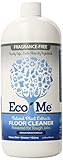
Overview: Eco-me’s Concentrated Multi-Surface and Floor Cleaner delivers a fragrance-free, plant-based solution in a 32-ounce bottle. Formulated with natural botanicals and plant extracts, it safely cleans sealed wood, tile, stone, and laminate without leaving toxic residues. The cruelty-free, vegan formula caters to households with chemical sensitivities, children, and pets.
What Makes It Stand Out: True fragrance-free status—no masking scents or artificial fragrances—makes it uniquely suitable for allergy sufferers and those with respiratory sensitivities. The Leaping Bunny certification and septic/greywater safety demonstrate rigorous ethical and environmental standards. Free from sulfates, dyes, ammonia, and harsh preservatives, it represents one of the purest commercial cleaning options available.
Value for Money: The 32-ounce concentrate offers moderate dilution flexibility, positioning it between ultra-concentrated formulas and ready-to-use products. While pricing runs higher than conventional cleaners, you’re investing in a product that eliminates virtually all common irritants. For chemically-sensitive individuals, this premium is negligible compared to health benefits. The concentration level provides reasonable longevity for most homes.
Strengths and Weaknesses: Strengths include unparalleled purity, multiple ethical certifications, true fragrance-free composition, and residue-free performance. Weaknesses involve the absence of scent cues that signal “clean” to some users, unspecified dilution ratios requiring experimentation, and potentially higher cost-per-use than scented natural alternatives. The lack of fragrance may initially feel less effective psychologically.
Bottom Line: Essential for households requiring absolute fragrance avoidance and maximum chemical safety. If you or family members experience reactions to even natural scents, Eco-me provides peace of mind with legitimate cleaning power. For general use, scented options may offer more sensory satisfaction.
10. Little Twig Plant Based Concentrated Multi-Surface and Floor Cleaner with Eco-Friendly Ingredients & No Toxic Residue, Child & Pet Safe, Unscented, 32 Fluid Oz (LTWG-FCFF32-06)
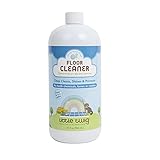
Overview: Little Twig’s Plant Based Concentrated Multi-Surface and Floor Cleaner offers a 32-ounce unscented formula designed with child and pet safety as the primary focus. Using natural plant extracts and eco-friendly ingredients, it cleans tile, sealed wood, vinyl, and stone without toxic residues. The rinse-free formula simplifies mopping while ensuring no harmful chemicals remain on surfaces where children and animals play.
What Makes It Stand Out: Explicit child and pet safety positioning—free from sulfates, phthalates, ammonia, bleach, dyes, phosphates, and artificial fragrances—addresses parental concerns directly. The rinse-free convenience means floors are immediately safe for contact after drying. Little Twig’s ingredient transparency and dedication to non-toxic formulations create trust for families unwilling to compromise on safety, even if it means accepting a higher price point.
Value for Money: The 32-ounce concentrate provides moderate dilution capacity, positioning it as a premium specialty product rather than a bulk value option. While more expensive per ounce than mainstream cleaners, the formulation justifies costs for parents prioritizing child safety above all. For households without babies or pets, more economical natural options exist. The concentration level suffices for regular maintenance cleaning.
Strengths and Weaknesses: Strengths include explicit child/pet safety claims, rinse-free convenience, absence of harsh chemicals, and focused marketing that resonates with parents. Weaknesses involve vague concentration instructions, subtle cleaning cues without scent, limited brand recognition compared to established competitors, and pricing that may deter budget-conscious buyers. The unscented formula might feel less refreshing to some users.
Bottom Line: Ideal for parents and pet owners seeking maximum safety assurance. If your primary concern is eliminating chemical exposure for vulnerable family members, Little Twig delivers credible protection. For general household cleaning, broader-market natural cleaners offer similar performance at lower cost.
What Defines an Eco-Friendly Floor Cleaner?
Understanding Green Certifications and Labels
Navigating the world of eco-certifications can feel overwhelming, but these labels serve as crucial verification tools. Look for third-party certifications like EPA Safer Choice, Green Seal, or Ecologo, which require rigorous testing and ingredient disclosure. These organizations evaluate products based on human health impact, aquatic toxicity, and biodegradability. Beware of vague terms like “natural” or “green” without backing evidence—these aren’t regulated and can be used freely by manufacturers. True eco-friendly products voluntarily disclose their full ingredient list, including fragrance components, allowing you to make fully informed choices.
Biodegradability Standards Explained
A genuinely sustainable floor cleaner breaks down into harmless natural components within a reasonable timeframe. Look for products stating they meet OECD 301 standards for ready biodegradability, meaning at least 60% degrades within 28 days. This matters because whatever you rinse down your drain eventually enters waterways. Cleaners that don’t break down can accumulate in aquatic ecosystems, harming wildlife and water quality. The best eco-friendly formulas use surfactants derived from coconut, corn, or sugar that microorganisms can easily digest, returning safely to the environment.
The Importance of Cruelty-Free and Vegan Formulations
Sustainability extends beyond environmental impact to ethical considerations. Cruelty-free certifications like Leaping Bunny ensure no animal testing occurred during product development. Vegan formulations go further by excluding animal-derived ingredients such as lanolin, beeswax, or certain glycerins. These choices support a more compassionate supply chain while often resulting in cleaner ingredient profiles. Many conventional cleaners test on animals to assess toxicity, whereas eco-conscious brands use alternative testing methods like in-vitro studies or computer modeling.
Key Ingredients to Look For
Plant-Based Surfactants and Their Benefits
Surfactants are the workhorses of any cleaner, breaking down dirt and grease. Coconut-derived glucosides and corn-based ethoxylates offer powerful cleaning without petroleum dependence. These plant-based alternatives effectively lift grime from floor surfaces while remaining gentle on indoor air quality. Unlike synthetic surfactants that can leave residues, plant-based versions rinse cleanly and don’t contribute to sticky buildup that attracts more dirt over time. They’re also less likely to trigger respiratory irritation or skin sensitivities.
Essential Oils vs Synthetic Fragrances
The scent of clean shouldn’t come at the cost of your health. Essential oils from lemon, eucalyptus, or tea tree provide natural antimicrobial properties while offering pleasant aromas. However, even natural fragrances can cause reactions in sensitive individuals, so fragrance-free options exist for the most cautious consumers. Synthetic fragrances often contain phthalates and other hormone-disrupting chemicals that persist in indoor environments. When choosing scented products, look for those using pure essential oils rather than “fragrance” as a catch-all ingredient.
Natural pH Adjusters and Their Role
Floor cleaners need proper pH balance to clean effectively without damaging surfaces. Citric acid from citrus fruits and lactic acid from fermented corn provide gentle acidity that cuts through mineral deposits and soap scum. For alkaline cleaning power, baking soda (sodium bicarbonate) offers safe, effective soil removal. These natural pH adjusters work synergistically with surfactants while being non-corrosive to both floors and human tissue. They also biodegrade completely, unlike synthetic pH buffers that can persist in the environment.
Ingredients to Avoid for True Sustainability
The Hidden Dangers of Phosphates
Once common in cleaners, phosphates cause severe water pollution by triggering algal blooms that deplete oxygen and kill aquatic life. While many regions now ban them, some imported products still contain these harmful compounds. Even small amounts contribute to eutrophication in lakes and rivers. Check labels for phosphate-free guarantees, and be wary of ingredients like sodium tripolyphosphate or trisodium phosphate. The best eco-friendly cleaners use alternative water-softening agents like citrates that don’t harm ecosystems.
Why Petroleum-Based Solvents Don’t Belong
Derived from crude oil, these solvents contribute to fossil fuel dependence and often release volatile organic compounds (VOCs) that compromise indoor air quality. Butyl cellosolve and other glycol ethers appear in conventional floor cleaners despite links to organ damage and reproductive toxicity. Sustainable alternatives use terpenes from orange peels or other plant sources that provide similar degreasing power without petroleum extraction’s environmental toll. These bio-based solvents also biodegrade much faster than their synthetic counterparts.
Understanding VOCs in Floor Cleaning
Volatile organic compounds evaporate at room temperature, polluting indoor air and contributing to smog formation outdoors. Conventional floor cleaners can contain VOC levels exceeding recommended limits, especially in “quick-dry” formulas. Look for products certified as low-VOC or VOC-free, typically containing less than 0.5% by weight. Water-based formulas naturally have lower VOC content than solvent-based ones. Remember that “unscented” doesn’t always mean low-VOC—some unscented products use masking fragrances that are themselves VOCs.
Types of Eco-Friendly Floor Cleaners
Concentrated Formulas: Less Waste, More Value
Concentrated cleaners deliver powerful cleaning in smaller packages, dramatically reducing plastic waste and shipping emissions. A single bottle can make dozens of gallons of cleaning solution when properly diluted. These formulas typically cost less per use than ready-to-use options and allow you to adjust strength based on soil level. The key is following dilution instructions precisely—over-concentrating wastes product and leaves residues, while under-concentrating reduces effectiveness. Many sustainable brands now offer refill pouches for concentrates, further minimizing packaging.
Ready-to-Use Solutions: Convenience Factor
For those prioritizing convenience, ready-to-use formulas eliminate mixing guesswork. While they generate more packaging waste per cleaning session, some brands use innovative approaches like infinitely recyclable aluminum bottles or post-consumer recycled plastic. The best ready-to-use options balance convenience with sustainability through refill programs where you keep the spray bottle and purchase concentrate refills. When selecting these products, prioritize those with adjustable spray nozzles to control product usage and reduce waste.
Powdered Options for Minimal Packaging
Powdered floor cleaners represent the ultimate in packaging reduction, often sold in paper-based compostable pouches or minimal cardboard boxes. These lightweight formulas reduce shipping emissions significantly compared to liquid alternatives. They activate when mixed with water, creating fresh solution as needed. Powders excel at tackling tough grime since they can include oxygen bleach (sodium percarbonate) that activates during use. However, they require thorough mixing to avoid residue and work best in warm water for complete dissolution.
Packaging Considerations for Sustainable Homes
Refill Systems and Their Environmental Impact
The most sustainable packaging is the packaging you don’t create. Refill systems let you reuse primary containers indefinitely, cutting plastic waste by up to 90%. Some companies offer concentrate refills in minimal packaging, while others provide bulk refill stations at retail locations. The carbon footprint of shipping concentrates versus full-strength products is significantly lower due to reduced weight and volume. When evaluating refill options, consider the packaging material—pouches use less plastic than rigid bottles, but must be properly recyclable or compostable to be truly sustainable.
Recyclable vs. Biodegradable Packaging
Not all eco-packaging is created equal. Fully recyclable packaging like aluminum or glass can be endlessly repurposed without quality loss, making them superior to plastic which downcycles. Biodegradable packaging sounds ideal but requires specific industrial composting conditions rarely available to consumers. Paper-based packaging is renewable but often lined with plastic or wax that complicates recycling. The gold standard combines both approaches—packaging made from recycled materials that’s also recyclable, creating a closed loop system.
The Rise of Zero-Waste Options
Zero-waste floor cleaning eliminates packaging entirely through solid bars that dissolve in water or bulk purchasing using your own containers. Some innovative brands offer tablets that fizz into cleaning solution, packaged in compostable materials. These options require mindset shifts but deliver maximum sustainability. Community co-ops and zero-waste stores increasingly offer floor cleaning solutions by the ounce, letting you buy exactly what need in reusable containers. This approach also allows testing small amounts before committing to larger purchases.
Evaluating Performance and Effectiveness
How to Test Cleaning Power Without Harsh Chemicals
Eco-friendly cleaners can match conventional performance through different mechanisms. Enzyme-based formulas digest organic matter like food spills and pet stains over time, working even after application. Oxygen bleach brightens floors without chlorine’s toxic byproducts. To evaluate effectiveness, test on small, inconspicuous areas using standardized soil like kitchen grease or muddy footprints. The best sustainable cleaners work through chemistry rather than brute force, requiring slightly longer dwell time but delivering comparable results without residue buildup.
Compatibility with Different Flooring Types
One size doesn’t fit all in floor care. Hardwood requires pH-neutral cleaners to prevent finish damage, while tile tolerates slightly alkaline formulas for grout cleaning. Laminate floors demand minimal moisture and gentle surfactants to avoid swelling and delamination. Stone floors like marble or travertine are acid-sensitive and need specialized pH-neutral formulations. The most versatile eco-friendly cleaners explicitly state compatible surfaces and offer dilution variations for different materials. Always verify compatibility with your specific flooring manufacturer’s recommendations.
Stain Removal Capabilities of Green Formulas
Natural cleaners tackle stains through targeted action rather than harsh chemicals. Enzymes break down protein stains like blood or milk, while plant-based solvents dissolve oil and grease. For stubborn stains, creating a paste with powdered eco-cleaner and letting it sit works better than aggressive scrubbing. The key is patience—green cleaners often need 5-10 minutes of dwell time to match the instant results of caustic chemicals. Pre-treating high-traffic areas and using warm water significantly boosts stain removal performance without compromising sustainability.
Application Methods and Tools
Microfiber Mops vs. Traditional Options
Microfiber technology revolutionizes eco-friendly cleaning by physically removing bacteria and dirt with just water, reducing cleaner usage by up to 90%. The tiny fibers create a static charge that attracts and traps particles, unlike cotton that just pushes dirt around. Quality microfiber mops last hundreds of washes, making them more sustainable than disposable pads. For maximum effectiveness, use different colored pads for different rooms to prevent cross-contamination, and wash without fabric softener which clogs the fibers.
Spray Mops and Dilution Systems
Modern spray mops combine convenience with sustainability through built-in dilution systems that mix concentrate with water in the handle. This eliminates bucket waste and ensures proper dilution ratios every time. Look for models with washable pads and refillable cartridges rather than disposable versions. Some advanced systems use electrostatic spraying to cover more surface with less product. The most sustainable approach pairs a durable spray mop with bulk concentrate refills, minimizing both water and packaging waste.
Steam Cleaning as a Chemical-Free Alternative
Steam cleaning uses superheated water vapor to sanitize floors and dissolve grime without any chemicals whatsoever. This method kills 99.9% of germs and dust mites using only water, making it the ultimate eco-friendly option. However, steam isn’t suitable for all flooring—avoid using it on unsealed wood, laminate, or heat-sensitive vinyl. The energy consumption of steam mops is offset by eliminating chemical production and packaging entirely. For heavily soiled floors, pre-treating with minimal eco-cleaner before steaming yields spotless results.
Cost Analysis and Value Proposition
Price Per Use: Why Concentrates Win
While concentrated eco-friendly cleaners may cost more upfront, their price per use typically ranges from $0.10 to $0.25 compared to $0.50 to $0.75 for ready-to-use products. A 32-ounce concentrate making 32 gallons of cleaner costs less over time than buying 32 individual spray bottles. Factor in reduced shipping costs and packaging waste, and concentrates deliver superior value. Calculate true cost by dividing the purchase price by the number of uses indicated on the label, accounting for your typical dilution ratio.
Long-Term Savings from Multi-Surface Formulas
Investing in a truly versatile eco-cleaner that works on floors, counters, and glass eliminates the need for multiple specialized products. This consolidation reduces total product purchases by 60-70% annually. Multi-surface formulas simplify cleaning routines and cut storage needs, particularly valuable in small sustainable homes. The best options use adjustable dilution—stronger for floors, lighter for general cleaning. While specialized cleaners may excel in one area, the cumulative cost and waste of maintaining a product arsenal rarely justifies marginal performance gains.
Budget-Friendly Eco Options
Sustainability doesn’t require premium pricing. Many affordable eco-friendly floor cleaners cost the same or less than conventional brands when comparing price per use. Store brands with legitimate certifications offer value without compromising standards. Buying in bulk from co-ops or during sales can reduce costs by 30-40%. DIY options using pantry staples cost pennies per batch. The key is avoiding greenwashed products that charge more for meaningless “natural” claims while delivering conventional chemistry in eco-packaging.
DIY Eco-Friendly Floor Cleaning Solutions
Simple Vinegar-Based Recipes
White vinegar’s acetic acid cuts through grime and neutralizes odors naturally. Mix 1/2 cup with 1 gallon of warm water for most sealed floors, adding a few drops of essential oil if desired. For extra cleaning power, steep citrus peels in vinegar for two weeks before use—the limonene enhances degreasing. Never use vinegar on stone floors, as acid etches the surface. While vinegar solutions cost virtually nothing and are supremely sustainable, they lack surfactants for heavy soil and may not sanitize as effectively as commercial eco-cleaners.
Castile Soap Formulations
Plant-based castile soap offers gentle yet effective cleaning suitable for most flooring types. Combine 1/4 cup liquid castile soap with 2 gallons warm water for a safe, biodegradable floor cleaner. Add 10 drops of tea tree oil for natural antimicrobial action. Unlike vinegar, castile soap works on stone floors when properly diluted. The downside is potential residue if overused or not rinsed properly. Hard water can react with soap to create film, so consider adding a tablespoon of washing soda as a water softener in mineral-rich areas.
When Homemade Isn’t Enough
DIY solutions excel for light maintenance but struggle with heavy grease, stubborn stains, or sanitization needs. Commercial eco-friendly cleaners undergo testing for efficacy and safety that home recipes can’t replicate. Enzyme technology, oxygen bleach, and specialized surfactants require manufacturing processes beyond kitchen chemistry. For households with pets, young children, or allergy concerns, the consistency and tested safety of commercial eco-cleaners justify the modest cost. Consider DIY for daily upkeep while keeping a commercial eco-friendly option for weekly deep cleaning.
Safety for Households with Children and Pets
Understanding “Pet-Safe” and “Kid-Safe” Claims
These terms lack legal definition, making third-party verification essential. Truly safe products carry certifications from organizations like the Carpet and Rug Institute’s Green Label program or have EPA Safer Choice approval. Avoid products with essential oils known to be toxic to pets—tea tree oil for cats, citrus oils for dogs. The safest approach uses fragrance-free, pH-neutral formulas with minimal ingredients. Even natural substances can be harmful in concentration, so proper dilution is critical for household safety.
Proper Storage of Natural Cleaners
While eco-friendly cleaners are safer than conventional ones, they still require careful storage. Concentrated formulas can cause eye irritation or digestive upset if ingested. Store all cleaners in original labeled containers out of children’s reach, preferably in locked cabinets. Transfer concentrates to clearly marked spray bottles to avoid confusion. Even DIY solutions should be labeled with ingredients and date mixed. Natural ingredients can degrade over time, so use within recommended timeframes and dispose of old products responsibly through household hazardous waste programs.
Allergy Considerations with Natural Ingredients
Natural doesn’t always mean hypoallergenic. Essential oils, while natural, are common allergens. Limonene from citrus oils can trigger reactions in sensitive individuals. Plant-based enzymes may cause respiratory irritation in those with severe allergies. Fragrance-free options eliminate the biggest allergen source. For households with asthma or severe allergies, look for products certified by the Asthma and Allergy Foundation of America. Always test new products in small areas and monitor for reactions before full use.
The Future of Sustainable Floor Care
Waterless Cleaning Technologies
Innovative companies are developing waterless floor cleaning systems that use electrostatic or enzymatic action without rinsing. These products come as dry sheets infused with active ingredients that activate on contact with floor surfaces. This approach eliminates water waste entirely—a critical consideration in drought-prone regions. The technology uses 95% less water than traditional mopping while delivering comparable cleanliness. As these products evolve, expect to see more waterless options that challenge our assumptions about how floors must be cleaned.
Probiotic and Enzyme-Based Cleaners
Next-generation eco-cleaners introduce beneficial bacteria that continue cleaning long after application. These probiotics colonize floor surfaces, breaking down organic matter and outcompeting harmful microbes. Enzyme-based formulas use targeted proteins that digest specific soils—lipases for fats, proteases for proteins, amylases for starches. This biological approach reduces cleaning frequency over time as the beneficial ecosystem establishes itself. While currently premium-priced, mass adoption will drive costs down as manufacturing scales.
Carbon-Neutral Manufacturing Trends
Forward-thinking brands are achieving carbon neutrality through renewable energy, carbon offsetting, and sustainable supply chains. Some facilities operate on 100% solar or wind power, while others use biogas from waste. Transportation emissions are offset through reforestation projects or direct air capture technology. Packaging innovations like mushroom-based materials sequester carbon rather than emitting it. As climate urgency grows, expect carbon-neutral certification to become as important as ingredient safety in defining true sustainability.
Frequently Asked Questions
How do I know if a floor cleaner is truly eco-friendly and not just greenwashed? Look for third-party certifications like EPA Safer Choice, Green Seal, or Ecologo rather than trusting vague terms like “natural” or “green.” Check for complete ingredient disclosure on the label, including fragrance components. Truly eco-friendly products avoid petroleum-based ingredients, phosphates, and synthetic dyes. Research the company’s sustainability practices beyond the product itself, including manufacturing processes and packaging materials.
Can eco-friendly floor cleaners disinfect as well as conventional ones? Most eco-friendly cleaners clean but don’t disinfect, as true disinfectants require EPA registration and often contain harsh chemicals. However, some eco-friendly products use thymol (from thyme oil) or hydrogen peroxide to achieve EPA-registered disinfection naturally. For most households, thorough cleaning with hot water and proper technique removes enough germs without disinfecting. If disinfecting is necessary, look for eco-friendly disinfectants specifically, or use steam cleaning which sanitizes with heat alone.
What’s the most sustainable packaging option for floor cleaners? Refillable systems with minimal packaging are the gold standard. Concentrates in recyclable aluminum or glass containers that you dilute at home create the least waste. Powdered cleaners in compostable paper packaging are excellent alternatives. Avoid single-use plastic pods, even if marketed as eco-friendly, as they often contain PVA that doesn’t fully biodegrade. The most sustainable option is buying bulk concentrate from zero-waste stores using your own containers.
Are homemade vinegar solutions safe for all floor types? No, vinegar is acidic and can damage natural stone like marble, travertine, and limestone by etching the surface. It can also harm unsealed grout and some wood finishes. Vinegar works well on sealed hardwood, ceramic tile, and vinyl. Always test in an inconspicuous area first. For stone floors, use pH-neutral castile soap solutions instead. If unsure about your floor type, consult manufacturer guidelines before using any acidic cleaner.
How can I reduce water waste when cleaning floors? Use spray mops that dispense minimal, controlled amounts of solution rather than bucket methods that require frequent water changes. Concentrated cleaners reduce rinse water needs. Steam cleaning uses minimal water while sanitizing effectively. For spot cleaning, use damp microfiber cloths that require no rinsing. Collect and reuse greywater from rinse buckets for outdoor plants when using truly biodegradable cleaners. Waterless cleaning sheets represent the newest innovation in water conservation.
Do eco-friendly floor cleaners work in hard water areas? Hard water can reduce effectiveness and cause residue with some eco-friendly formulas. Look for products containing water-softening agents like sodium citrate or washing soda. Concentrated formulas allow you to increase dosage slightly in hard water conditions. Vinegar-based DIY solutions naturally combat hard water minerals. Rinsing with distilled water prevents mineral deposits on dark floors. Some premium eco-cleaners are specifically formulated for hard water performance and will note this on the label.
What’s the shelf life of concentrated eco-friendly floor cleaners? Most concentrated eco-friendly cleaners last 2-3 years unopened and 1-2 years after opening when stored properly. Natural ingredients can degrade faster than synthetic ones, especially when exposed to heat and light. Products containing essential oils may lose fragrance over time but remain effective. Enzyme-based cleaners have shorter shelf lives, typically 12-18 months. Always check the manufacturer’s date and store in a cool, dark place. If the product separates, changes color, or develops an off smell, it’s time to replace it.
Can I use the same eco-friendly cleaner on floors and other surfaces? Many eco-friendly floor cleaners are formulated as multi-surface solutions that work on counters, walls, and appliances. Check the label for approved surfaces and recommended dilutions. Floor cleaners may be too concentrated for delicate surfaces and should be diluted further. Avoid using floor cleaners on food preparation surfaces unless they’re food-safe certified. Some specialized floor cleaners contain ingredients that might leave film on glass or counters, so true multi-surface formulas are preferable for minimalists.
How do I properly dispose of old conventional floor cleaners when switching to eco-friendly options? Never pour conventional cleaners down drains or into the trash. Contact your local household hazardous waste facility for proper disposal guidelines. Many communities hold collection events for toxic chemicals. Some retailers offer take-back programs for cleaning products. If the product is still usable, consider donating to community organizations, shelters, or neighbors who may use it. When switching, run your old mop through a wash cycle to remove chemical residues before using it with eco-friendly products.
Will switching to eco-friendly floor cleaners really make a difference environmentally? Yes, collective action drives market change. The average household uses 5-10 gallons of floor cleaner annually, which enters waterways and contributes to plastic waste. Switching to concentrates can eliminate up to 8 pounds of plastic waste per year per household. Biodegradable formulas prevent water pollution that harms aquatic ecosystems. Your purchasing choices signal demand for sustainable products, encouraging more companies to develop eco-friendly options. While one household’s impact seems small, millions making the switch creates substantial environmental benefit.
See Also
- 2026’s Top 10 Eco-Friendly Vinyl Floor Cleaner for Sustainable Cleaning
- 10 Best Eco-Friendly Vinyl Floor Cleaner for Sustainable Living in 2026
- 10 Must-Have Eco-Friendly Floor Cleaners for a Non-Toxic Home in 2026
- 10 Affordable Eco-Friendly Floor Cleaners That Don’t Sacrifice Quality in 2026
- 10 Game-Changing Floor Scrub Brush Refills for Eco-Friendly Cleaning in 2026