Table of Contents
Tired of wrestling with stubborn grime that seems permanently etched into your tile floors? That hazy film around grout lines, the sticky residue near entryways, or the mysterious spots that resist regular mopping can make even a well-maintained space feel dingy. Traditional cleaning often means harsh chemicals, excessive scrubbing, and lingering moisture that can invite mold – a frustrating cycle that leaves you questioning if truly clean tile is even possible. The good news? Steam cleaning technology offers a compelling, chemical-free alternative specifically suited to the unique challenges of tile and grout, promising deep sanitization without the scrubbing marathon.
Imagine transforming that grimy surface with nothing more than the power of purified water vapor. Steam mops harness intense heat to lift dirt, dissolve grease, and eliminate 99.9% of common household bacteria and allergens lurking in those porous grout lines and on tile surfaces. It’s a method that’s gentle on your floors yet tough on messes, leaving behind only moisture that evaporates quickly – no sticky residues or chemical fumes. But navigating the world of steam mops isn’t as simple as just picking the first one you see; choosing the right tool for your specific tile type and cleaning needs is crucial to avoid damage and achieve truly sparkling results. Let’s break down exactly what to look for to make your tile floors shine effortlessly.
Top 10 Steam Mops for Tile Floors
Detailed Product Reviews
1. Shark Steam & Scrub Steam Mop, All-in-One Scrubbing and Sanitizing Hard Floor Cleaner, LED Headlights, 4 Dirt Grip Soft Scrub Pads Included, XL Water Tank, Swivel Steering, Hawaiian Grey, S8001
, LED Headlights, 4 Dirt Grip Soft Scrub Pads Included, XL Water Tank, Swivel Steering, Hawaiian Grey, S8001](https://m.media-amazon.com/images/I/41tn+V3BA9L._SL160_.jpg)
Overview: The Shark S8001 Steam & Scrub Mop is a premium all-in-one solution for deep-cleaning and sanitizing hard floors. It combines high-pressure steam with active scrubbing technology, targeting stubborn stains while being safe for sealed surfaces like hardwood, tile, and laminate. The package includes four Dirt Grip pads and features an XL water tank for extended cleaning sessions.
What Makes It Stand Out: Its standout feature is the dual-action system: over 150 automatic scrubs per minute from rotating pads paired with three adjustable steam modes (Light, Normal, Deep). LED headlights reveal hidden debris, and Shark claims up to 2x better stain removal versus traditional steam mops, validated by specific mustard-based testing protocols.
Value for Money: Priced at the premium end, it justifies cost through efficiency. The included four pads, XL tank, and swivel steering reduce long-term accessory needs and effort compared to basic models. It outperforms entry-level steam mops significantly, making it cost-effective for households with frequent tough messes.
Strengths and Weaknesses: Strengths: Exceptional stuck-on stain removal; large water capacity minimizes refills; intuitive swivel steering; effective sanitization (when used correctly); durable build. Weaknesses: Heavier than non-scrubbing models; sanitization requires strict adherence to instructions; pads require regular washing; distilled water recommended to prevent scaling.
Bottom Line: An excellent investment for deep cleaning, especially for pet owners or families. Its scrubbing power and steam combo tackle challenges ordinary mops can’t, though budget buyers might prefer simpler alternatives.
2. Shark SteamSpot Steam Mop with Steam Blaster Technology, 3 Steam Modes, 2 Washable Pads, XL Removable Water Tank, Lightweight, Steam Cleaner for sealed Hard Floors, Hardwood, Tile, Laminate, S2001

Overview: The Shark S2001 SteamSpot Mop delivers chemical-free sanitization and targeted cleaning for sealed hard floors. It emphasizes portability and spot-treatment with its Steam Blaster technology, making it ideal for quick cleanups on hardwood, tile, or laminate without harsh chemicals.
What Makes It Stand Out: Steam Blaster Technology is the key differentiator—a one-touch burst of concentrated steam tackles stubborn spots instantly. Combined with textured pads, it achieves up to 50% better stain removal than standard steam mops. Its XL removable tank and lightweight design enhance usability, while the chemical-free sanitization (removing 99.9% of household bacteria) is a major health-focused perk.
Value for Money: Positioned as a mid-range option, it offers strong value. The removable tank and washable pads reduce ongoing costs, and the Steam Blaster adds versatility absent in cheaper models. It’s more affordable than scrubbing mops like the S8001 but outperforms basic steamers in stain removal.
Strengths and Weaknesses: Strengths: Effective spot cleaning with Steam Blaster; lightweight and easy to store; large tank for continuous use; eco-friendly sanitization; simple maintenance. Weaknesses: Lacks active scrubbing for severe buildup; only two pads included; steam blast requires precise aiming; tank removal can be awkward mid-clean.
Bottom Line: Highly recommended for quick sanitizing and light-to-moderate messes. It’s the best Shark option for those prioritizing speed and spot treatment over heavy scrubbing power.
3. Shark Steam Mop with 2 Machine Washable Dirt Grip Pads, Removable Water Tank, Lightweight, Steam Cleaner for sealed Hard Floors, Marble, Stone, Hardwood, Tile, Laminate, White/Seafoam, S1000

Overview: The Shark S1000 is a streamlined, entry-level steam mop designed for gentle yet effective cleaning of delicate sealed floors like marble, stone, and hardwood. It focuses on simplicity, portability, and chemical-free sanitization using only water.
What Makes It Stand Out: Its ultra-lightweight build (under 5 lbs) stands out, making it effortless to maneuver and store—ideal for small spaces or users with mobility concerns. The Dirt-Grip microfiber pads offer enhanced absorption and light scrubbing, while the removable water tank simplifies refilling. It’s Shark’s most accessible model for basic steam cleaning.
Value for Money: Excellent value for casual users. At a lower price point, it covers core steam-mop functions without frills. The included machine-washable pads and no-chemical sanitization save long-term costs versus disposable pads or chemical cleaners, though it lacks advanced features of pricier models.
Strengths and Weaknesses: Strengths: Extremely lightweight and compact; easy storage; affordable; effective for light日常 cleaning; gentle on sensitive floors; simple operation. Weaknesses: No steam adjustment (fixed output); weaker on tough stains; small tank requires frequent refills; no swivel steering for tight spaces; minimal scrubbing action.
Bottom Line: Perfect for apartment dwellers or those with minimal cleaning needs. It’s a reliable, budget-friendly starter mop but lacks power for heavy-duty tasks.
4. Shark Steam & Scrub with Steam Blaster Technology All-in-One Hard Floor Steam Mop with 3 Steam Modes & LED Headlights S8201, Rotator White

Overview: The Shark S8201 merges the scrubbing power of the S8001 with Steam Blaster technology, creating a versatile all-in-one cleaner for tough floor messes. It sanitizes effectively while scrubbing stuck-on debris on sealed hard floors, targeting users needing both deep cleaning and spot treatment.
What Makes It Stand Out: Unique integration of rotating scrub pads (150+ scrubs/minute) and Steam Blaster sets it apart. The one-touch steam burst targets stubborn spots without pausing, while three steam modes and sanitization (99.9% bacteria removal) ensure adaptability. LED headlights and a maneuverable design enhance usability in low-light areas.
Value for Money: Justifies its premium price by combining two high-value features: active scrubbing and targeted steam. It eliminates the need for separate spot cleaners, and durable pads reduce replacement costs. More cost-efficient than buying separate tools, though pricier than single-feature models.
Strengths and Weaknesses: Strengths: Unmatched stain removal with dual tech; excellent for grime and dried spills; large coverage with headlights; efficient sanitization; comfortable glide. Weaknesses: Heavier due to dual mechanisms; Steam Blaster can oversaturate floors if misused; requires diligent pad maintenance; higher initial cost.
Bottom Line: The top choice for severe messes and large homes. Ideal if budget allows, but overkill for light cleaning—prioritize only if tackling frequent tough stains.
5. Bissell Power Fresh Steam Mop with Natural Sanitization, Floor Steamer, Tile Cleaner, and Hard Wood Floor Cleaner with Flip-Down Easy Scrubber, 1940A
 with Flip-Down Easy Scrubber, 1940A](https://m.media-amazon.com/images/I/31hYaJ0iPDL._SL160_.jpg)
Overview: The Bissell 1940A offers chemical-free sanitization and a unique flip-down scrubber for sealed hard floors. It emphasizes speed (ready in 30 seconds) and versatility with fragrance discs, targeting users wanting quick, eco-friendly cleaning on tile or hardwood.
What Makes It Stand Out: The flip-down scrubber is its signature feature—no need to swap pads for scrubbing. Digital steam control (high/medium/low) provides precision, and swivel steering aids navigation. At 1500W, it heats rapidly, and fragrance discs add a scent option absent in Shark models.
Value for Money: Competitive mid-range pricing. The included scrubber pad, fragrance discs, and carpet glider add versatility not found in similarly priced Shark mops. However, the single soft pad and lack of Steam Blaster/scrubbing tech limit deep-cleaning value versus Shark’s S8001/S8201.
Strengths and Weaknesses: Strengths: Fast heat-up; intuitive flip-down scrubber; fragrance option; strong sanitization; 23-foot cord reduces outlet hunting. Weaknesses: Only one soft pad included; no XL tank (frequent refills); weaker on severe stains than rotating-pad mops; no removable tank; cord rewind absent.
Bottom Line: A solid, affordable option for light scrubbing and quick sanitizing. Best for small spaces but less capable on heavy buildup compared to Shark’s premium scrubbers.
6. Shark Steam & Scrub All-in-One Scrubbing and Sanitizing Hard Floor Steam Mop, 2 Steam Modes, 2 Dirt Grip Soft Scrub Pads Included, XL Removable Water Tank, Swivel Steering, Teal, S8002BRN

Overview: The Shark Steam & Scrub S8002BRN merges steam cleaning with active scrubbing for deep hard floor cleaning, targeting stuck-on messes without chemicals. Its focus is sanitization and effortless stain removal.
What Makes It Stand Out: Dual functionality is key: rotating pads deliver 150+ scrubs per minute for mechanical cleaning, while steam sanitizes 99.9% of bacteria. The XL tank, swivel steering, and two steam modes (Light/Normal) enhance usability. Dirt Grip pads tackle tough grime better than standard mops.
Value for Money: Priced mid-to-high, it justifies cost with superior stain removal (vs. basic steam mops) and included accessories. The sanitization capability eliminates need for chemical cleaners, offering long-term savings despite a steeper initial investment.
Strengths and Weaknesses: Strengths: Unmatched stuck-on stain removal; effective sanitization; large tank reduces refills; swivel head for maneuverability. Weaknesses: Heavier than competitors; pads require frequent washing; no carpet glider included.
Bottom Line: Ideal for homes needing deep sanitization and scrubbing power on hard floors. Worth the premium for tough messes, though overkill for light cleaning.
7. OLIXIS 10-in-1 Steam Mop, 1550W Detachable Handheld Steam Cleaner for Floor Cleaning, 16FT Cord, 2 Washable Pads, Multi-Purpose Floor Steamer for Hardwood, Carpet, Tile, Grout, Windows, White Green
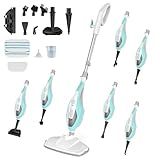
Overview: The OLIXIS 10-in-1 is a versatile, high-wattage steam system designed for whole-home cleaning, featuring a detachable handheld unit and extensive attachments for floors and surfaces.
What Makes It Stand Out: Its 1550W power heats rapidly to 212°F, offering strong steam output and 14 attachments for multi-surface use (floors, windows, grout). The 16ft cord, 180° swivel head, and anti-dry-burn safety set it apart for convenience and safety.
Value for Money: Excellent value given its multi-purpose design. Replaces multiple cleaners (mop, handheld steamer, window tool), saving money versus buying separate units. The durable, reusable pads reduce ongoing costs.
Strengths and Weaknesses: Strengths: Exceptional versatility; long power cord; effective on all floor types; strong safety features. Weaknesses: Bulky storage; handheld unit attachment feels flimsy; carpet glider sold separately.
Bottom Line: A top pick for budget-conscious households seeking an all-in-one solution. Its adaptability justifies the price for deep cleaning beyond just floors.
8. Gatlei Steam Mop, Steam Cleaner with 400ML Water Tank, 2 Washable Pads, 23FT Power Cable floor steamer, Detachable Steam Mops for sealed Hard Floors, Marble, Stone, Hardwood (Lavender)

Overview: Gatlei’s Lavender steam mop emphasizes extended reach and portability, featuring a massive 23ft power cord and detachable design for flexible floor and surface cleaning on sealed hard floors.
What Makes It Stand Out: The standout feature is the industry-leading 23ft power cord, eliminating outlet-hopping. The 180° horizontal/135° vertical swivel head and 400ml leak-proof tank support uninterrupted cleaning. It includes 10+ accessories for multi-surface use.
Value for Money: Solid value at its price point. The extensive accessory kit (nozzles, brushes, window scraper) adds versatility rivaling pricier models. The 12-month warranty and washable pads enhance cost efficiency.
Strengths and Weaknesses: Strengths: Unbeatable cord length; easy refills; broad accessory range; lightweight. Weaknesses: Smaller tank limits runtime; steam output weaker than 1550W+ models; lavender color limits aesthetic appeal.
Bottom Line: Best for large homes with sparse outlets. While steam power isn’t elite, the cord length and accessories make it a practical, budget-friendly workhorse.
9. Steam Mop, Multi-Purpose Steam Cleaner for Home Steamer for Floor Cleaning, Floor Steamer Cleaner for Deep Cleaning with Handheld Steamer Mops Accessories, Pet Steam Mop Cleaner for Hardwood, Tile
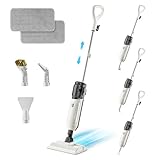
Overview: This no-brand steam mop prioritizes pet-friendly, chemical-free deep cleaning with high-temperature steam (260°F) and a focus on safety for homes with children or pets.
What Makes It Stand Out: It heats rapidly (15 seconds) to high temps for effective stain removal and emphasizes pet safety by eliminating chemical residues. The self-standing design, 20ft cord, and compact storage cater to convenience-focused users.
Value for Money: Very affordable, but lacks premium features. Value lies in pet-safe sanitization and included accessories (3 tools, 2 pads). However, steam power and build quality trail competitors like Shark or OLIXIS.
Strengths and Weaknesses: Strengths: Pet and child-safe; quick heat-up; thoughtful storage; lightweight. Weaknesses: Vague brand specs; weaker steam pressure; no floor-specific customization (e.g., carpet glider); shorter accessory lifespan.
Bottom Line: A decent entry-level option for pet owners needing basic sanitization, but lacks the robustness for heavy-duty use. Opt for premium models if durability is critical.
10. Shark Steam Pocket Mop with 2 Washable Double-sided Pads, Steam Sanitization, Swivel Steering, Lightweight, Steam Cleaner for Sealed Hard Floors, Hardwood, Marble, Tile, Purple, S3501
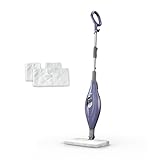
Overview: Shark’s compact S3501 Pocket Mop offers quick, chemical-free sanitization for small spaces, emphasizing portability and ease of use on sealed hard floors with minimal setup.
What Makes It Stand Out: Its ultra-lightweight design (under 5 lbs) and pocket-sized storage make it ideal for apartments or quick cleanups. Super-heated steam sanitizes 99.9% of bacteria in 30 seconds, with double-sided pads locking in dirt efficiently.
Value for Money: Excellent for its niche. Lower price than full-sized models suits renters or those with limited storage. The no-chemicals approach saves on cleaning supplies, though runtime (450ml tank) is shorter than XL competitors.
Strengths and Weaknesses: Strengths: Extremely portable; fast heat-up; easy storage; comfortable grip. Weaknesses: Small tank requires frequent refills; not for large areas; limited to hard floors (no carpet option); basic steam modes.
Bottom Line: The go-to for small spaces or supplemental cleaning. Skip if you have large floors, but perfect for quick sanitization where space and speed matter most.
Understanding Steam Cleaning for Tile Floors
How Steam Penetrates and Cleans Tile Surfaces
Steam cleaning works by converting water into low-moisture vapor under high pressure and temperature. This superheated vapor rapidly penetrates the microscopic pores of ceramic, porcelain, and stone tiles, as well as the grout lines. The intense heat instantly loosens dirt, grease, and organic matter, while the minimal moisture prevents the deep seepage that can cause damage or promote mold growth in grout. It’s this combination of heat and minimal water that makes steam uniquely effective for tile without the risks associated with excessive liquid.
Why Tile Floors Benefit Specifically from Steam
Tile floors, particularly those with grout, present unique cleaning challenges. Grout is porous and easily stained, while tiles themselves can develop a hazy film from buildup. Steam’s ability to sanitize deeply without harsh abrasives or chemical residues is ideal. It effectively tackles soap scum in bathrooms and grease splatters in kitchens, common tile trouble spots, all while being gentle enough for daily maintenance on most sealed tile surfaces, preventing the long-term degradation caused by acidic or alkaline cleaners.
Potential Risks and How to Avoid Them
While powerful, steam isn’t universally safe for all tile installations. Unsealed or cracked grout can absorb excess moisture, leading to mold growth behind the tile. Natural stone tiles like marble or limestone are generally incompatible with steam due to their sensitivity to heat and acidity. Older tiles with deteriorating grout or improper installation are also at risk. The key to avoiding damage is understanding your specific floor’s composition and sealant status before using a steam mop, and always starting with the lowest effective steam setting.
Essential Features to Evaluate for Tile Cleaning
Water Tank Capacity and Refill Convenience
The size of the water tank directly impacts cleaning session length. Larger tanks (1L+) are ideal for expansive tile areas like kitchens or entryways, minimizing frustrating mid-clean refills. Look for transparent tanks for easy level monitoring and quick-fill designs that allow adding water without disassembling the entire unit. A tank that’s easy to remove and refill at the sink significantly enhances the user experience for larger jobs.
Heat-Up Time and Continuous Steam Performance
Nobody wants to wait minutes just to start cleaning. Models that reach optimal operating temperature (typically 212°F/100°C+) in under 30 seconds offer immediate usability. More crucially, assess the continuous steam output. Does the unit maintain a strong, consistent vapor flow throughout the tank’s capacity, or does it sputter and weaken? Consistent high-temperature steam is vital for effectively sanitizing grout lines and dissolving tough kitchen grease on tile surfaces.
Adjustable Steam Settings for Different Tile Types
Not all tile is created equal. The ability to precisely control steam output is non-negotiable. Lower settings are essential for delicate surfaces like sealed natural stone or older grout, while higher settings tackle heavy kitchen grease on robust porcelain. Look for intuitive dials or buttons offering multiple distinct levels (not just “low/high”), allowing you to match the steam intensity precisely to your specific floor’s needs and the level of soiling.
Floor Head Design and Maneuverability
The shape and swivel capability of the cleaning head determine how easily you can reach corners, edges, and under low furniture – common tile trouble spots. A triangular or rounded front edge is far superior for navigating tight spaces around cabinets and toilets compared to a blunt rectangular head. A 180-degree or greater swivel head provides effortless steering, reducing user fatigue and ensuring thorough coverage on large tile floors.
Microfiber Pad Attachment System
The quality and attachment method of the microfiber pads are critical for effective cleaning and convenience. Hook-and-loop (velcro) systems offer quick, secure changes. Pads should be thick enough to absorb loosened dirt but not so thick they impede steam penetration into grout. Machine-washable, durable pads in multi-packs are a practical necessity. Consider if the system allows for different pad textures (e.g., smoother for delicate tiles, slightly abrasive for grout) for versatile cleaning.
Safety and Floor Protection Considerations
Compatibility with Sealed vs. Unsealed Grout
This is paramount. Steam is generally safe only on properly sealed grout. Unsealed grout acts like a sponge, pulling moisture deep down where it can cause mold, mildew, and eventual structural damage behind the tiles. Always verify your grout is sealed (a water droplet test – beads up vs. soaks in – can indicate this) and use minimal steam on older grout lines, even if sealed. Never use steam on visibly cracked or crumbling grout.
Temperature Control for Sensitive Tile Surfaces
Excessive heat can damage certain tiles. While most ceramic and porcelain tiles handle standard steam temperatures well, natural stone (marble, travertine, limestone) is highly susceptible to etching and discoloration from heat and the slight acidity of steam. Vinyl tiles or sheet flooring near tile areas can also warp. Always research your specific tile material’s heat tolerance and prioritize models with precise, low-temperature settings if using near sensitive surfaces.
Built-in Safety Features to Prevent Accidents
Look for essential safety mechanisms: an automatic shut-off if the unit overheats or is tipped over, a safety lock to prevent accidental trigger activation (especially important with children or pets), and insulated handles to protect hands from heat. A cool-down indicator light is also helpful, signaling when the unit is safe to store after use, preventing burns from residual heat in the boiler.
Performance Factors for Effective Tile Cleaning
Steam Pressure and Temperature Specifications
Don’t be fooled by marketing jargon. Focus on verified temperature output at the cleaning head – it needs to consistently exceed 212°F (100°C) to effectively sanitize and dissolve grime. Higher pressure (measured in PSI or bars) forces steam deeper into grout lines, but balance is key; excessive pressure combined with too much moisture can force water into vulnerable areas. Reputable brands provide actual tested specs, not just “high steam” claims.
Effectiveness on Grout Lines and Stubborn Stains
The true test for a tile-focused steam mop is its grout-cleaning ability. Look for designs that concentrate steam precisely at the tile-grout junction, such as heads with targeted nozzles or edges that sit directly over grout lines. While steam excels at organic stains and sanitizing, deeply set mineral deposits (hard water spots) or oil-based stains might require pre-treatment; manage expectations – steam is powerful but not magic for every stain type.
Drying Time and Moisture Management
A major advantage of steam cleaning is rapid drying. Effective models release just enough vapor to clean without saturating the floor. Look for features promoting quick evaporation: consistent low-moisture steam, microfiber pads designed for absorption rather than retention, and adequate air circulation around the head. Floors should feel merely damp, not wet, and be walkable within 5-15 minutes under normal conditions, minimizing slip hazards.
Practicality and User Experience Elements
Cord Length and Storage Solutions
Corded models dominate the high-performance steam mop market. A cord length of at least 20 feet is essential for cleaning large tile areas like kitchens without constant outlet switching. Consider how the cord wraps and stores – integrated hooks or wraps prevent tangles. Also, evaluate the unit’s footprint and whether it stands upright for storage, crucial in space-constrained homes where bulky units become a nuisance.
Weight and Ergonomic Design
A steam mop that’s too heavy or poorly balanced becomes a chore to push, especially on large tile floors. Aim for a weight under 5 pounds (without water) for comfortable maneuvering. Look for padded, angled handles that promote a natural upright posture, reducing strain on your back and wrists during extended cleaning sessions. Balance is as important as raw weight – the heaviest part should be over the wheels or base.
Accessory Versatility for Complete Home Cleaning
While focused on tile, many users appreciate the ability to clean other surfaces. Check if the unit includes compatible accessories like detail nozzles for baseboards and corners, upholstery brushes, or window squeegees. Ensure these accessories are genuinely useful for tile maintenance (e.g., a narrow nozzle for deep grout cleaning) and that the system is easy to switch between floor cleaning and accessory use without complex reassembly.
Maintenance and Longevity Requirements
Descaling Procedures for Hard Water Areas
Hard water is the nemesis of steam mops, causing mineral buildup (scaling) inside the boiler that reduces efficiency and can cause failure. Models designed for hard water areas often feature easy-access descaling ports or clear instructions for regular vinegar or citric acid cleaning cycles. Ease of descaling is a critical factor for longevity; complicated processes lead to neglect and premature breakdown.
Filter Systems and Water Quality Recommendations
Some higher-end models incorporate filters to trap minerals before they enter the boiler, extending time between descalings. Understand if your chosen model has a filter, its replacement cost and frequency, and whether it’s truly effective. Regardless of filters, using distilled or demineralized water is always the best practice to maximize the lifespan of any steam mop boiler, especially in hard water regions.
Warranty Coverage and Manufacturer Support
A robust warranty (at least 1 year, preferably 2+) signals manufacturer confidence. Pay attention to what’s covered – specifically boiler and electrical components, which are most prone to failure. Research the brand’s reputation for responsive customer service and parts availability. Good support is invaluable if issues arise, preventing a minor problem from becoming a costly replacement.
Frequently Asked Questions
Can I safely use a steam mop on all types of tile floors?
Steam mops are generally safe for sealed ceramic and porcelain tile floors. However, they are not recommended for unsealed grout, cracked grout, natural stone tiles (like marble, travertine, or limestone), or vinyl flooring adjacent to tile. Always verify your specific tile and grout condition and sealant status before use.
Will steam cleaning damage my tile grout?
Steam can damage grout if it’s unsealed, cracked, or deteriorating, as moisture can penetrate deeply and cause mold growth or further deterioration. Using excessive steam settings or lingering too long in one spot on vulnerable grout increases this risk. Always use the lowest effective steam setting on grout and ensure it’s properly sealed.
How often should I seal my tile grout if I use a steam mop?
Grout sealing frequency depends on traffic, cleaning methods, and sealer type. Typically, resealing every 1-3 years is recommended. If you use a steam mop regularly, monitor your grout: if water no longer beads up on the surface (perform a water droplet test), it’s time to reseal before continuing steam cleaning.
Do I need to use cleaning solutions with a steam mop on tile?
No, the primary cleaning agent is the heat and moisture from the steam itself. Adding detergents or solutions, especially into the water tank, can damage the internal components, void warranties, and leave residues on your tile. Steam effectively cleans and sanitizes tile using only water.
Can steam mops remove tough grout stains?
Steam is excellent for sanitizing grout and lifting surface-level dirt and organic stains. However, deeply set mineral deposits (like hard water rings) or oil-based stains may require pre-treatment with a dedicated grout cleaner before or after steam cleaning. Steam alone might not eliminate all stubborn discolorations.
Is hard water a problem for steam mops on tile floors?
Yes, hard water causes mineral scale buildup inside the steam mop’s boiler, reducing efficiency and potentially causing failure. Using distilled or demineralized water is highly recommended to prevent scaling, especially in hard water areas. Regular descaling with vinegar or citric acid is also essential maintenance.
How long does it take for tile floors to dry after steam mopping?
Properly functioning steam mops using the correct settings should leave floors only slightly damp. Under normal room temperature and humidity, tile floors typically dry within 5 to 15 minutes. Good airflow (using fans or opening windows) can speed up the process, making the floor safe to walk on quickly.
Can steam mops scratch tile surfaces?
High-quality steam mops with smooth cleaning heads and appropriate microfiber pads should not scratch properly glazed ceramic or porcelain tile. Avoid using pads with embedded scrubbing particles unless specifically designed for grout and used cautiously. Always ensure the pad is clean and free of abrasive grit before use.
Are cordless steam mops powerful enough for tile floors?
Most cordless steam mops struggle to maintain the sustained high temperature and pressure needed for deep grout cleaning on tile floors compared to corded models. They often have smaller tanks, longer heat-up times between bursts, and lower maximum temperatures, making them better suited for quick spot cleans rather than thorough tile floor maintenance.
What safety precautions are essential when steam mopping tile floors?
Always unplug after use, allow the unit to cool completely before storage, keep the steam trigger locked when not actively cleaning, avoid using on wet floors or near standing water, be cautious of hot surfaces (especially the soleplate), and never leave a running steam mop unattended, particularly around children or pets.