Table of Contents
Tackling garage cleanups often feels like wading into a battlefield of forgotten projects, spilled fluids, and stubborn debris. Whether it’s sawdust clinging to every surface after a woodworking session, motor oil leaks from the latest car repair, or muddy paw prints tracked in after a rainy walk, your garage demands a cleanup tool that won’t quit when the mess gets serious. Cordless wet/dry vacuums have emerged as game-changers for these spaces, eliminating the frustration of tangled cords snaking around toolboxes and ladders. But not all cordless models are built to handle the unique chaos of a garage environment—where power, runtime, and durability are non-negotiable.
Choosing the right cordless wet/dry vacuum means moving beyond basic suction specs. You need a machine that transitions seamlessly from sucking up fine metal shavings to slurping up half a gallon of coolant without stalling, all while lasting long enough to finish the job without frantic battery swaps. The wrong choice leaves you stranded with a half-cleaned floor and a dying battery, defeating the entire purpose of going cordless. This guide cuts through the marketing fluff to focus on the real features that matter when your garage throws its worst at you—helping you invest in reliability, not just convenience.
Top 10 Cordless Wet Dry Vacuums for Garage Messes
Detailed Product Reviews
1. DEWALT 20V MAX Cordless Shop Vac, Wet Dry Vacuum Cleaner, Portable 2 Gallon Wet Dry Vac, Strong Suction Shop Vacuum with Hepa Filter, Tool Only (DCV580H)
, Portable 2 Gallon Wet Dry Vac, Strong Suction Shop Vacuum with Hepa Filter, Tool Only (DCV580H)](https://m.media-amazon.com/images/I/41qkby-OtEL._SL160_.jpg)
Overview: The DEWALT DCV580H is a cordless 2-gallon wet/dry vacuum designed for portability and convenience in garages, workshops, or vehicles. It operates on DEWALT’s 20V MAX system, featuring strong suction and a true HEPA filter.
What Makes It Stand Out: Its true HEPA filter captures 99.97% of particles as small as 0.3 microns, crucial for allergen control. The integrated 5-foot crush-resistant hose, onboard accessory storage, and ergonomic handle enhance usability. Being cordless (with 20V compatibility) provides exceptional mobility for car or tight-space cleaning.
Value for Money: While competitively priced for a DEWALT tool, the lack of included battery/charger adds significant upfront cost. It justifies its cost through durability, HEPA performance, and DEWALT’s 3-year warranty, but budget buyers may prefer kits with batteries.
Strengths and Weaknesses:
Strengths: True HEPA filtration; excellent portability; robust hose/accessory storage; ideal for quick cleanups.
Weaknesses: Battery and charger sold separately; 2-gallon capacity fills quickly for large jobs; runtime limited by battery availability.
Bottom Line: A top-tier cordless option for DEWALT system owners needing HEPA-level suction in confined spaces, though the extra battery cost reduces value for new users. Best for targeted, frequent small messes.
2. Seesii Cordless Shop Vac Wet and Dry, 2.6 Gallon Small Shop Vac with Accessory Storage Holder, 2 x 4.0Ah Batteries, 3-in-1 Wet Dry Vacuum with HEPA Filter, Strap, Ideal for Garage, Car, Workshop
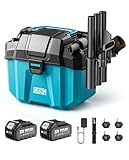
Overview: The Seesii 21V cordless shop vac is a versatile 2.6-gallon unit featuring dual 4.0Ah batteries, a brushless motor, and 3-in-1 functionality (vacuum wet/dry, blow). It targets homeowners needing mobility for cars, garages, and workshops.
What Makes It Stand Out: Dual high-capacity batteries enable extended runtime (20/40 mins per mode), eliminating downtime. The brushless motor runs cooler and lasts longer, while dual suction modes (9kPa/15kPa) tackle everything from crumbs to pet hair. Included shoulder strap, wheels, and 3 extension tubes enhance ergonomic versatility.
Value for Money: Excellent value with batteries, HEPA filter, and abundant accessories included. The brushless motor’s longevity offsets the mid-range price, outperforming cheaper brushed-motor competitors needing frequent battery swaps.
Strengths and Weaknesses:
Strengths: Batteries included; brushless motor durability; dual suction modes; comprehensive accessories (strap, wheels, nozzles); true mobility.
Weaknesses: HEPA filter efficiency (99.7%) slightly below medical-grade; runtime still limited for large jobs; hose less durable than DEWALT’s.
Bottom Line: A standout budget-friendly cordless vac for most household tasks, offering exceptional runtime and features. Highly recommended for pet owners or multi-scene cleaning where cords are impractical.
3. DEWALT Portable 6 Gallon 5 Horsepower Wall-Mounted Garage Wet Dry Vacuum Cleaner DXV06G
 DXV06G](https://m.media-amazon.com/images/I/41QvupQwsDL._SL160_.jpg)
Overview: This DEWALT DXV06G is a powerful 6-gallon, 5 HP wall-mountable wet/dry vacuum with remote control. It’s built for heavy-duty garage or workshop use, combining large capacity with 3-in-1 functionality (suction wet/dry, blowing).
What Makes It Stand Out: The wall-mount design saves floor space, while the included remote control watch allows hands-free operation—a rare feature. Its 5 HP motor delivers exceptional suction for large debris or liquids, and the 20-foot hose reaches distant areas. Comprehensive accessory kit includes two extension wands and specialized nozzles.
Value for Money: Priced higher due to horsepower and remote tech, but justified for serious DIYers or pros needing frequent large cleanups. The wall mounting and included accessories add long-term utility, though casual users may find it overkill.
Strengths and Weaknesses:
Strengths: Powerful 5 HP motor; wall-mountable; remote control; 6-gallon capacity; extensive included accessories; blowing function.
Weaknesses: Bulky for small spaces; 21 lbs heavy when moving; remote feature niche; not cordless.
Bottom Line: Ideal for workshop/garage owners prioritizing power and space-saving. A premium investment for heavy use, but less suited for quick household tasks or renters.
4. CRAFTSMAN CMXEVBE17250 2.5 Gallon 2.5 Peak HP Wet Dry Vac, Portable Shop Vacuum Wet and Dry with Filter Bag, Hose and Attachments for Cleaning in The Home

Overview: The CRAFTSMAN CMXEVBE17250 is a compact 2.5-gallon, 2.5 HP wet/dry vac focused on lightweight home use. It’s designed for small spills in cars, garages, or tight indoor areas, with basic blower functionality.
What Makes It Stand Out: Extreme portability (lightweight with carry handle) and compact size make it ideal for quick cleanups where larger vacs are cumbersome. The blower function adds versatility for drying surfaces or clearing debris, and it includes essential attachments for tight spots.
Value for Money: Budget-friendly for entry-level users. Its low cost suits occasional needs (e.g., car detailing, minor workshop messes), though it lacks advanced features like HEPA filtration or cordless operation found in pricier models.
Strengths and Weaknesses:
Strengths: Highly portable; affordable; simple blower function; easy storage; good for small messes.
Weaknesses: Low suction power (2.5 HP); no HEPA filter; basic hose/attachments; small tank requires frequent emptying.
Bottom Line: A solid, no-frills choice for renters or households needing a compact vac for minor spills. Avoid for large jobs or allergy sufferers; best as a secondary cleanup tool.
5. DEWALT DXV04T Portable 4 Gallon Wet/Dry Vacuum, Yellow

Overview: DEWALT’s DXV04T is a 4-gallon, 5 HP portable wet/dry vacuum with a distinctive yellow toolbox design. It balances capacity and mobility for job sites or garages, featuring a flexible hose and long power cord.
What Makes It Stand Out: The “toolbox” shape allows easy transport and storage, while the 20-foot power cord and 7-foot ultra-flexible hose provide unmatched reach without extensions. Onboard accessory storage keeps tools organized, and the 5 HP motor delivers reliable suction for most debris.
Value for Money: Mid-priced for its class, it offers DEWALT durability and practical features (long cord, hose) without premium extras like HEPA. Great value for contractors needing a workhorse vac that won’t tangle in cords.
Strengths and Weaknesses:
Strengths: Excellent cord/hose length; portable toolbox design; robust 5 HP suction; onboard storage; simple operation.
Weaknesses: No HEPA filtration; not cordless; basic accessories; yellow color shows stains.
Bottom Line: A dependable, no-nonsense work-site vac for tradespeople prioritizing reach and durability. Skip if you need cordless freedom or HEPA; ideal for general job-site debris.
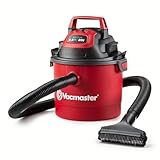
6. Vacmaster 2.5-Gallon 20V Cordless Wet/Dry Vac - DVOM202P 1101
Overview:
This compact cordless wet/dry vac offers mobility for quick cleanups in cars, garages, or tight home spaces. Powered by a 20V battery, it eliminates cord constraints while maintaining essential suction power for everyday messes.
What Makes It Stand Out:
Its wall-mountable design saves floor space, and the seamless conversion to a blower adds remarkable versatility for outdoor tasks like clearing leaves. The compact 2.5-gallon tank balances portability with sufficient capacity for small-to-medium jobs without frequent emptying.
Value for Money:
Priced moderately for cordless convenience, it justifies its cost over corded alternatives by eliminating tripping hazards and enabling unrestricted movement. While battery runtime isn’t industry-leading, the mobility premium makes it worthwhile for targeted cleanups where cords are impractical.
Strengths and Weaknesses:
Strengths: True cordless freedom; space-saving wall storage; reliable suction for its size; easy blower conversion. Weaknesses: Limited runtime on high suction; 2.5-gallon capacity requires frequent emptying for larger jobs; battery sold separately in some kits.
Bottom Line:
Ideal for quick, mobile cleanups in confined areas, this Vacmaster excels as a secondary cordless utility vac. Best for car interiors or small workshops where portability trumps heavy-duty capacity.
7. Armor All AA255W Wet/Dry Utility Vac 2.5 Gallon, 2.5-Gallon,120 Volts (AC), Orange/Black

Overview:
A budget-friendly, corded 2.5-gallon wet/dry vac built for straightforward cleanup of workshops, garages, and vehicles. Its 2 HP motor delivers solid suction without the complexity of cordless systems.
What Makes It Stand Out:
The all-inclusive 13-accessory kit is unmatched, covering virtually every scenario—from car detailing (deluxe nozzle) to floor cleaning (squeegee). Integrated storage keeps cords and tools organized, and the wheel-base ensures easy mobility despite being corded.
Value for Money:
Exceptional value for corded models. The comprehensive accessory suite and durable polypropylene tank outperform rivals in its price bracket, making it a cost-effective solution for DIYers needing versatility without battery investments.
Strengths and Weaknesses:
Strengths: Extensive accessory collection; powerful 2 HP suction; robust build; intuitive storage. Weaknesses: Cord limits mobility; heavier than cordless alternatives; no blower mode conversion in all variants.
Bottom Line:
A top choice for budget-conscious users prioritizing versatility and raw power over portability. Perfect for stationary cleanup tasks where an outlet is accessible.
8. TaskStar Cordless Shop Vac, 2.6 Gal 2x4.0Ah Battery Powered Shop Vac, 3-in-1 Cordless Shop Vacuum Wet and Dry with Strap, 4 Wheels, Accessory Storage Holder, Ideal for Garage, Car, Workshop

Overview:
This innovative 2.6-gallon cordless vac merges wet/dry suction, mopping, and blowing into one compact system. Dual 4.0Ah batteries and a brushless motor target users needing extended runtime for diverse indoor/outdoor tasks.
What Makes It Stand Out:
The true 3-in-1 functionality (including mopping) is rare in shop vacs, while dual batteries enable 40+ minutes of runtime. The vertical self-standing design, shoulder strap, and onboard accessory storage maximize portability for stairs or vehicles.
Value for Money:
Priced higher due to dual batteries and unique mopping feature, but justifies cost with exceptional runtime and multi-role utility. Beats single-battery competitors for large or complex jobs, though budget buyers may prefer corded options.
Strengths and Weaknesses:
Strengths: Dual batteries for longevity; versatile mopping/blowing modes; ultra-portable at 8lbs; brushless motor durability. Weaknesses: Mopping feature less effective than dedicated tools; premium price; limited hose reach (7.9ft).
Bottom Line:
A game-changer for cordless versatility, especially for car detailers or workshop owners. Worth the investment if you need extended runtime and multi-functional cleaning.
9. 20V Cordless Vacuum Cleaner-Wet/Dry Shop Vac,2.6 Gallon Capacity,Compatible with DeWALT Batteries (Bare Tool - No Battery & No Charger),Ideal for Cleaning Car,Home Spaces,and Workshops RCSV-20
 Cleaner-Wet/Dry Shop Vac,2.6 Gallon Capacity,Compatible with DeWALT Batteries (Bare Tool - No Battery & No Charger),Ideal for Cleaning Car,Home Spaces,and Workshops RCSV-20](https://m.media-amazon.com/images/I/41shkfxTkZL._SL160_.jpg)
Overview:
A bare-tool cordless vac designed exclusively for DeWALT 20V MAX battery owners. Its 2.6-gallon capacity and 12.1 KPa suction target users seeking seamless integration with existing tool ecosystems.
What Makes It Stand Out:
DeWALT compatibility eliminates extra battery costs for current tool owners, while the 6.56-foot hose and blowing function enhance reach for car interiors or machinery. The included mini-filter cartridge improves fine-dust capture.
Value for Money:
Outstanding value if you own DeWALT batteries—no redundant investments. At bare-tool pricing, it undercuts competitors with included batteries. However, new buyers face added battery costs, reducing its appeal.
Strengths and Weaknesses:
Strengths: Effortless DeWALT ecosystem integration; strong 45 CFM airflow; versatile 6 accessory kit; blowing mode. Weaknesses: Bare tool requires separate battery purchase; filter not HEPA-rated; hose durability concerns.
Bottom Line:
A must-consider for DeWALT loyalists needing a specialized cordless vac. Avoid if starting from scratch, but ideal for expanding an existing tool collection efficiently.
10. Vacmaster Professional 4-Gallon 24V MAX Cordless Wet/Dry Shop Vacuum with 4.0Ah Battery - DVTB244 0201

Overview:
A rugged 4-gallon cordless vac engineered for jobsite durability. Its 24V MAX system and toolbox-inspired housing target professionals needing heavy-duty suction without cord constraints in workshops or vehicles.
What Makes It Stand Out:
The larger 4-gallon tank reduces emptying frequency for big jobs, while the removable shoulder strap enables hands-free transport across job sites. The 24V platform delivers stronger suction than 20V rivals, and the ECO/MAX runtime modes optimize battery use.
Value for Money:
Premium-priced but justified for pros: larger capacity, superior 24V power, and toolbox durability outweigh costs. Beats 2.5-gallon models for frequent, large-scale cleanups, though casual users may find it overkill.
Strengths and Weaknesses:
Strengths: High-capacity tank; robust jobsite build; versatile shoulder strap; efficient dual-mode runtime. Weaknesses: Heavier than compact models; 12-minute max runtime limits heavy use; limited accessory storage vs. Armor All.
Bottom Line:
The go-to cordless vac for contractors or serious DIYers tackling large messes. Prioritize this over smaller models if capacity and jobsite resilience are critical.
Understanding Garage-Specific Vacuum Demands
The Unique Mess Profile of Modern Garages
Garages today are multi-functional spaces, doubling as workshops, storage hubs, and even hobby zones. This evolution means vacuums face everything from fine particulate dust (sawdust, drywall, metal filings) to viscous liquids (oil, paint, coolant) and bulky debris (nails, packaging, leaves). Unlike kitchen or living areas, garage messes often combine multiple hazard types simultaneously, demanding a tool engineered for versatility and resilience against corrosive or abrasive materials.
Why Corded Models Fall Short in Cluttered Spaces
While traditional corded wet/dry vacuums offer consistent power, their cords become major liabilities in garages filled with equipment, vehicles, and stored items. Tripping hazards, limited reach near workbenches, and the constant need to relocate outlets disrupt workflow. Cordless freedom allows you to maneuver around cars, under shelving, and into corners without unplugging and replugging, significantly speeding up cleanup during critical project phases or after unexpected spills.
Power and Suction: Beyond the Marketing Hype
CFM vs. Water Lift: Decoding Real-World Performance
Manufacturers often tout high “air watts” or suction numbers, but two metrics truly matter for garage versatility: Cubic Feet per Minute (CFM) for airflow volume (crucial for picking up light debris like sawdust or leaves) and Water Lift (inches) for lifting force (essential for thick liquids or embedded grime). A balanced ratio—neither extremely high CFM nor extreme water lift alone—ensures the vacuum handles both fine particulates and dense sludge effectively without clogging or losing suction.
Motor Sealing and Liquid Protection
When tackling wet messes, the motor’s vulnerability is paramount. Look for vacuums with fully sealed, oil-less motors specifically designed to prevent liquid ingress. Unsealed motors can short-circuit when sucking up even small amounts of water, rendering the unit useless. True wet/dry capability requires internal baffling and check valves that stop liquids from reaching critical electrical components, a non-negotiable feature for garage safety.
Battery Life and Runtime Realities
Evaluating “Up to” Claims vs. Actual Garage Use
Battery runtime claims often assume ideal conditions—empty tank, dry debris, low suction settings. Garage cleanups involve heavy loads (wet, dense materials), maximum suction, and continuous use, which drain batteries 30-50% faster. Prioritize models with transparent testing data showing runtime under wet conditions with a full tank. A unit claiming “60 minutes” might only last 25 minutes cleaning up a significant oil spill.
Swappable Batteries vs. Single-Power Solutions
For larger garages or frequent heavy-duty use, swappable battery systems provide unmatched continuity—swap a depleted battery for a fresh one without stopping work. Single-battery models often require lengthy cooling periods before recharging, creating frustrating downtime. If your garage projects involve extended sessions (e.g., post-renovation cleanup), swappable batteries become a critical efficiency booster, though they typically increase upfront cost.
Tank Capacity and Practical Design
Optimal Size for Garage Workflow Efficiency
Tank size involves a trade-off: larger capacities (5+ gallons) reduce emptying frequency during big jobs but become heavy and unwieldy when full of liquid. Smaller tanks (2-4 gallons) are easier to maneuver and empty but require more stops. For most home garages, 3-5 gallons strikes the best balance—large enough for moderate spills yet manageable when filled with water or sludge. Consider your typical mess volume: frequent small spills favor smaller tanks, while occasional large floods need bigger capacity.
Tank Material and Impact Resistance
Garage environments are rough. Tanks made from durable, non-marring polypropylene resist cracks from knocks against tools or vehicles better than brittle plastics. Look for reinforced corners and bases. Translucent tanks help monitor fill levels during use, but ensure the material doesn’t become opaque or brittle over time when exposed to UV light or chemicals like gasoline fumes stored nearby.
Filtration Systems for Hazardous Particulates
HEPA Filtration: Essential for Fine Workshop Dust
Standard foam or paper filters capture larger debris but let fine dust (like wood or metal particles) escape back into your breathing space. True HEPA filters trap 99.97% of particles as small as 0.3 microns—critical for health when sanding, cutting, or handling potentially carcinogenic materials like MDF dust. Ensure the HEPA filter is fully sealed within the system; gaps render it ineffective. Washable HEPA filters offer long-term cost savings but require thorough drying to prevent mold.
Managing Wet Messes Without Filter Damage
Using a standard filter for wet pickups destroys it instantly. Dedicated wet/dry vacs either have a secondary foam sleeve for wet mode (protecting the main filter) or a bypass design where liquids never contact the filter. Always use the correct wet-mode configuration; forcing liquid through a dry filter compromises suction and creates a breeding ground for bacteria and odors inside the tank.
Specialized Features for Garage Efficiency
Built-In Blower Functions for Debris Clearance
A blower port (often with a separate hose) lets you blow sawdust off workbenches, clear leaves from corners, or inflate pool toys—adding significant utility beyond vacuuming. While not essential, it’s a valuable time-saver when prepping the garage for a project or clearing debris before vacuuming, reducing the need for multiple tools.
Tool-Free Access and Quick-Clean Components
Garage cleanups generate messy tanks. Models with tool-free tank release, wide-mouth openings for easy debris removal, and smooth internal contours (no hidden crevices) minimize the time spent scrubbing residue. Hose and accessory storage integrated into the unit keeps everything organized on a cluttered garage wall, preventing lost nozzles or tangled cords.
Durability and Build Quality Considerations
Frame and Housing Construction for Drop Protection
Accidental bumps against metal shelving or tool chests are inevitable. Units with robust bumpers, reinforced handles, and impact-resistant housings withstand garage knocks better than sleek, minimalist designs. Metal-reinforced casters or wheels (not just plastic) ensure stability on uneven concrete floors and resist cracking when rolled over debris.
Hose and Accessory Longevity
Cheap, thin hoses kink easily and degrade when exposed to solvents or UV light. Prioritize crush-resistant, chemical-resistant hoses with solid metal wands (not plastic) that won’t snap under pressure. Wide crevice tools and sturdy floor nozzles designed for rough surfaces (not just carpets) ensure accessories survive repeated use without breaking.
Ergonomic Design for Extended Use
Weight Distribution and Maneuverability
A poorly balanced vacuum becomes exhausting during large cleanups. Units where the motor and battery weight centers align over the wheels reduce pushing effort. Swivel casters (at least two) enable smooth pivoting around obstacles like parked cars. For users with mobility concerns, lightweight models (<15 lbs without tank) or backpack-style designs (though rare in wet/dry) significantly reduce strain.
Handle Comfort and Control During Wet Pickups
Wet messes often require precise control. Ergonomic, non-slip handles with textured grips prevent hand fatigue during extended use, especially when wearing work gloves. Controls (suction power, on/off) should be easily reachable without adjusting your grip—critical when managing spills near electrical tools where distraction is dangerous.
Safety Features You Can’t Afford to Skip
Automatic Shut-Off for Overfill or Overheating
Attempting to vacuum beyond tank capacity or running continuously with a clogged filter can overheat motors. Thermal protection automatically shuts off the unit before damage occurs, preventing fire hazards. A low-tank sensor that stops suction when liquid reaches a critical level prevents motor flooding—a vital safeguard during rushed cleanups.
Ground Fault Circuit Interrupter (GFCI) Compatibility
While the vacuum itself doesn’t include GFCI, it must be compatible with GFCI outlets (standard in modern garages). This ensures the tool cuts power instantly if electrical current leaks into water—a lifesaving feature during wet pickups near grounded surfaces. Verify the motor design won’t cause nuisance tripping on sensitive GFCI circuits.
Storage and Space-Saving Solutions
Footprint and Vertical Storage Options
Garage floor space is precious. Compact, upright designs with a small footprint fit neatly beside workbenches or in corners. Wall-mounting kits (included or available) keep the unit off the floor, protecting it from vehicle tires and freeing up workspace. Some models fold vertically for tight storage, though this can complicate access to batteries or tanks.
Accessory Organization Systems
Integrated hooks, clips, or dedicated compartments for hoses, wands, and nozzles prevent clutter. Look for systems where accessories lock securely during storage but release easily for use—no one wants to hunt for a crevice tool mid-spill. Magnetic wand storage is a clever touch for quick access.
Evaluating Long-Term Value and Cost
Replacement Part Availability and Cost
Battery degradation is inevitable. Check if replacement batteries and chargers are readily available years after purchase—avoid proprietary systems from obscure brands. Similarly, verify foam sleeves, HEPA filters, and tank gaskets are sold separately at reasonable prices. A cheap vacuum becomes expensive if consumables cost half the unit’s value.
Warranty Coverage for Garage Use Conditions
Standard warranties often exclude “commercial” or “abuse” scenarios, which garages might inadvertently trigger. Seek warranties explicitly covering residential workshop/garage use, with at least 2 years on the motor and 1 year on batteries. Warranties requiring proof of non-commercial use can be problematic for active home workshops.
Noise Levels in Shared Spaces
Managing Sound During Early/Late Cleanups
Garages often adjoin living spaces or neighbors’ properties. High-decibel vacuums (common in powerful wet/dry models) become disruptive early mornings or evenings. Look for units specifying noise levels below 80 dB; some incorporate sound-dampening materials in the housing. While not silent, these allow cleanup without disturbing household members or complaints from neighbors.
Hearing Protection Synergy
Even moderately loud vacuums warrant hearing protection during extended garage sessions, especially with power tools running nearby. Consider if the vacuum’s noise profile complements your existing safety gear—if it’s exceptionally loud, it might interfere with hearing others in the workspace, a subtle safety factor.
Environmental and Chemical Resistance
Handling Common Garage Solvents Safely
Gasoline, paint thinner, and automotive fluids require extreme caution. Most consumer wet/dry vacs are NOT rated for flammable liquids—using them risks fire or explosion. Only use vacuums explicitly certified for hazardous materials (rare in cordless). For typical garages, stick to water-based spills and ensure the tank/hose materials resist degradation from occasional exposure to mild solvents like brake cleaner.
Material Compatibility with Concrete and De-icing Salts
Garage floors often bear salt residue in winter or chemical stains. Vacuum components (wheels, tank base, hose) should resist corrosion from chloride salts and common concrete sealants. Stainless steel hardware and UV-stabilized plastics prevent premature cracking or rusting when stored in unheated garages.
User Maintenance for Peak Performance
Simplifying Post-Wet Mess Cleaning
After sucking up liquids, residual moisture breeds mold and odors. Models with removable tanks, dryable filters, and accessible internal paths make thorough drying achievable. Avoid units where the motor housing traps moisture—this is a common failure point. A quick rinse cycle feature (using clean water post-spill) significantly extends component life.
Filter Maintenance Schedules for Mixed Use
Alternating between dry and wet pickups complicates filter care. Establish a routine: rinse foam sleeves after every wet use, and deep-clean HEPA filters monthly if handling fine dust. Never reinstall damp filters—this invites mold. Some systems include indicator lights for filter replacement, a small but useful detail for busy DIYers.
Frequently Asked Questions
Frequently Asked Questions
How long should a cordless wet/dry vacuum run when cleaning up a typical garage oil spill?
Expect 15-25 minutes of continuous runtime on a full battery for wet pickups, as liquid significantly increases motor load compared to dry debris. Always have a backup battery or plan for mid-job recharging.
Can I safely vacuum up sawdust with fine particles using a cordless wet/dry model?
Yes, but only if it has a certified HEPA filtration system. Standard filters won’t capture hazardous fine dust, risking respiratory exposure during woodworking cleanup.
Why does my vacuum lose suction quickly when picking up wet messes?
This usually indicates a clogged filter (if used in wet mode without protection) or a full tank. Always engage wet-mode bypass features and empty the tank before it reaches the max fill line.
Are cordless wet/dry vacuums powerful enough for flooded basement cleanup?
For minor garage flooding (e.g., a few gallons), yes—but prioritize high water lift (10+ inches) and a large tank. Significant flooding requires specialized submersible pumps; cordless vacs aren’t designed for deep water.
How do I prevent mold and odors after vacuuming up liquids?
Immediately empty the tank, rinse all components with clean water, and allow every part (especially filters and hoses) to air-dry completely before storage. Never store a damp vacuum.
Can I use my cordless wet/dry vacuum on my car’s interior?
Yes, but use low suction for delicate surfaces and ensure all filters are clean/dry to avoid blowing dust onto upholstery. Avoid vacuuming corrosive automotive fluids inside the cabin.
What happens if I accidentally vacuum gasoline?
Stop immediately and unplug/turn off the vacuum. Gasoline can damage seals, create fire hazards, and ruin filters. Never use standard wet/dry vacs for flammable liquids—seek professional hazardous material cleanup.
How often should I replace the battery in my cordless garage vacuum?
Most quality lithium-ion batteries last 2-4 years with regular use. If runtime drops below 50% of original capacity or the battery swells, replace it promptly for safety and performance.
Do I need special hoses for wet pickups?
Not necessarily, but ensure your hose is designed for wet/dry use (typically thicker, chemical-resistant rubber). Standard vacuum hoses may degrade or leak when used with liquids.
Can cold garage temperatures damage my cordless vacuum battery?
Yes, extreme cold (<32°F/0°C) temporarily reduces battery capacity and can cause permanent damage if charged while frozen. Store batteries at room temperature and allow them to warm up before use in winter.
See Also
- How to Choose the 10 Best Wet Dry Vacuums for Garage Use in 2026
- The 10 Ultimate Best Wet Dry Vacuums for Garage Cleaning in 2026
- 10 Cordless Wet Dry Vacuums That Solve Garage Messes in 2026
- 10 Best Value Wet Dry Vacuum Bags for Garage and Workshop Use in 2026
- The 10 Best Cordless Canister Vacuums for Small Apartments in 2026